Posts
I was able to go camping in the Boundary Waters Canoe Area (BWCA) for a week-long camping trip before heading back to school. The last time I had gone, my wife and I were just married, so it's been over 15 years. BWCA is part of Superior National Forest and runs along the Minnesota-Canada border. Six men, including myself, spent a full week on the water.
It's a little bit of a tradition to keep a diary on trips like this, so I kept notes about our days on some paper that I'm transcribing here along with photos I took on the tip. I also put together an interactive map so you can see the routes and stopping points for each day on the trip.
Day 1 - Sunday, August 3
We left South Bend, IN at about 5:30 AM for the 11 hour drive to Ely, MN. This is a small town near Fall Lake, which is one of the entry points for BWCA. We always go through an outfitter called Packsack because they are incredibly friendly, are a family run business, and have a great lodge/bunkhouse for a really reasonable rate. We grabbed one last meal in Ely at the Frisky Otter and then decided to check out the Kawishiwi Waterfalls between Garden Lake and Fall Lake. This dam used to be a place to run lumber down from the logging camps in the north before being turned into a hydroelectric plant for the city.
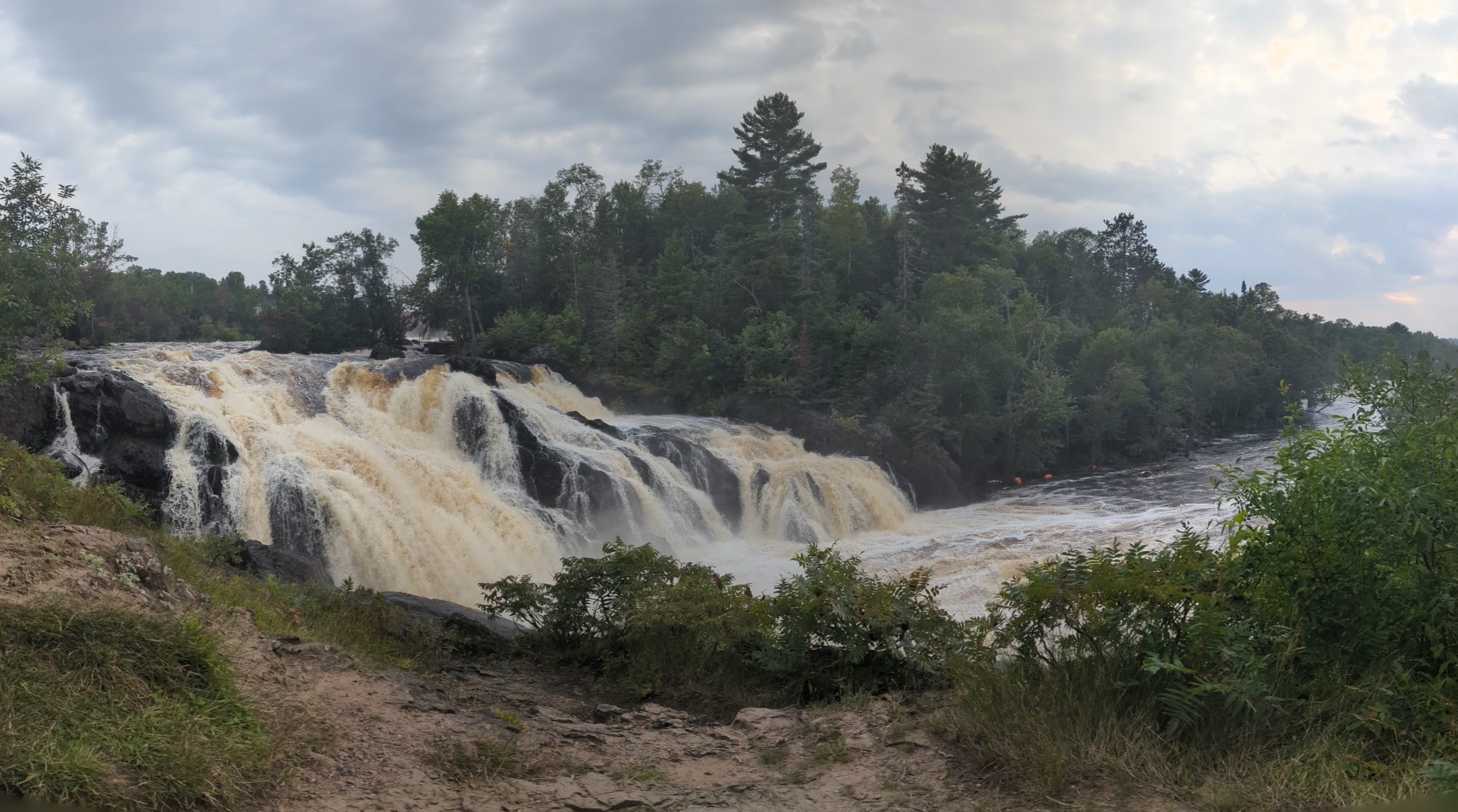
We went back to Packsack and checked over gear one more time before turning in.
Day 2 - Monday, August 4
We woke early to load up the van and head out. Campsites are on a first-come basis, so we wanted to beat any early rush for the day to try to get some prime location. We put out from Entry Point #24 around 9:00, canoed across Fall Lake and portaged into Newton Lake. We paddled the length of Newton and portaged again into Pipestone Bay. The site we wanted was already taken, but site #1587 was available.
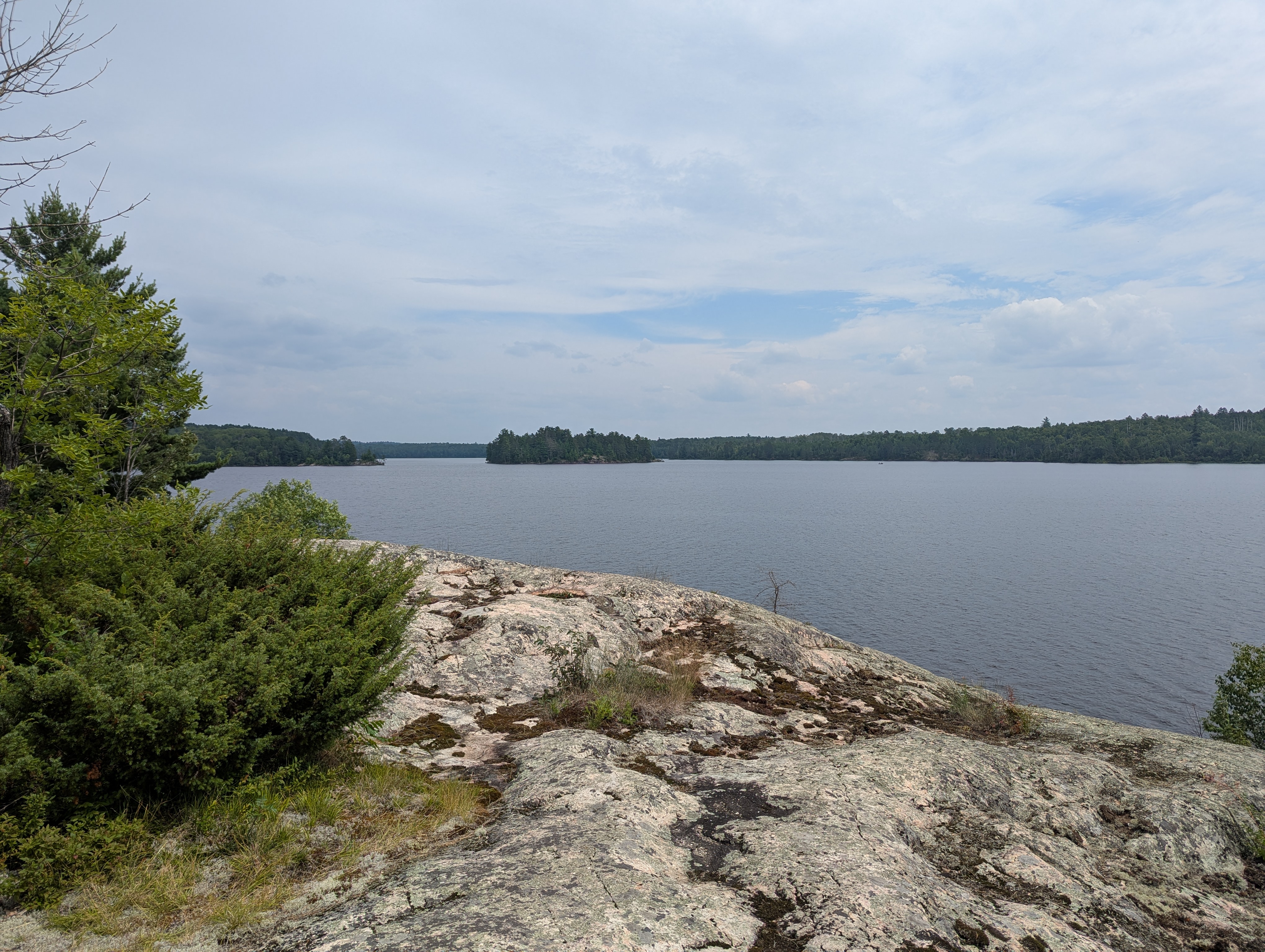
We set up camp and then went back out on the canoes to fish along New York and Gary Islands across the bay. We caught some smallmouth bass and northern pike and enjoyed seeing several eagles. In the evening, the wind died down and the lake went glassy while we listened to loons wailing across the water. We enjoyed a dinner of steak and au gratin potatoes cooked over the fire.
Day 3 - Tuesday, August 5
Gray and windy this morning. Pancakes and bacon with potatoes for breakfast before breaking camp. We pulled out around 9:00 and headed north for Basswood Falls.
We canoed the length of Pipestone Bay - there was a lot of wind and some rain threatened, but didn't actually come. It was a leisurely paddle - we stopped to fish in a couple of coves along the way but didn't have any luck. We had a short early lunch at the USDA gauging station where they monitor water flow and lake depth automatically for the bay. This is just past the point where motorboats are allowed to go (they can't get across portages further in the park), so from here, it got much quieter.
We continued north on Basswood Lake across very windy open water, but we did see a loon floating nearby on the way, so that was nice. It didn't dive too quickly, so we were able to get a good look at it.
We landed on the Basswood Falls portage near the Canadian border around 11:30 AM. It was a very busy spot today, with a large group heading into Basswood from the portage and another group heading in ahead of us. This is a long portage - 340 rods (5,610 feet) - which is over a mile in one direction across some rugged terrain. You have to portage here because the waterfalls of the river aren't navigable by boat. We couldn't get it all in one load, so that meant we had a three mile hike to get past this point.
I carried a canoe on the first leg with two other men while the other three carried packs. We didn't try to double-pack this portage...it's just too long and you'd get too tired. We stopped on the way back after dropping the canoes at the end to rest at the waterfall and eat a second lunch. The falls have a large granite slab you can sit on and dip into the water to cool off.
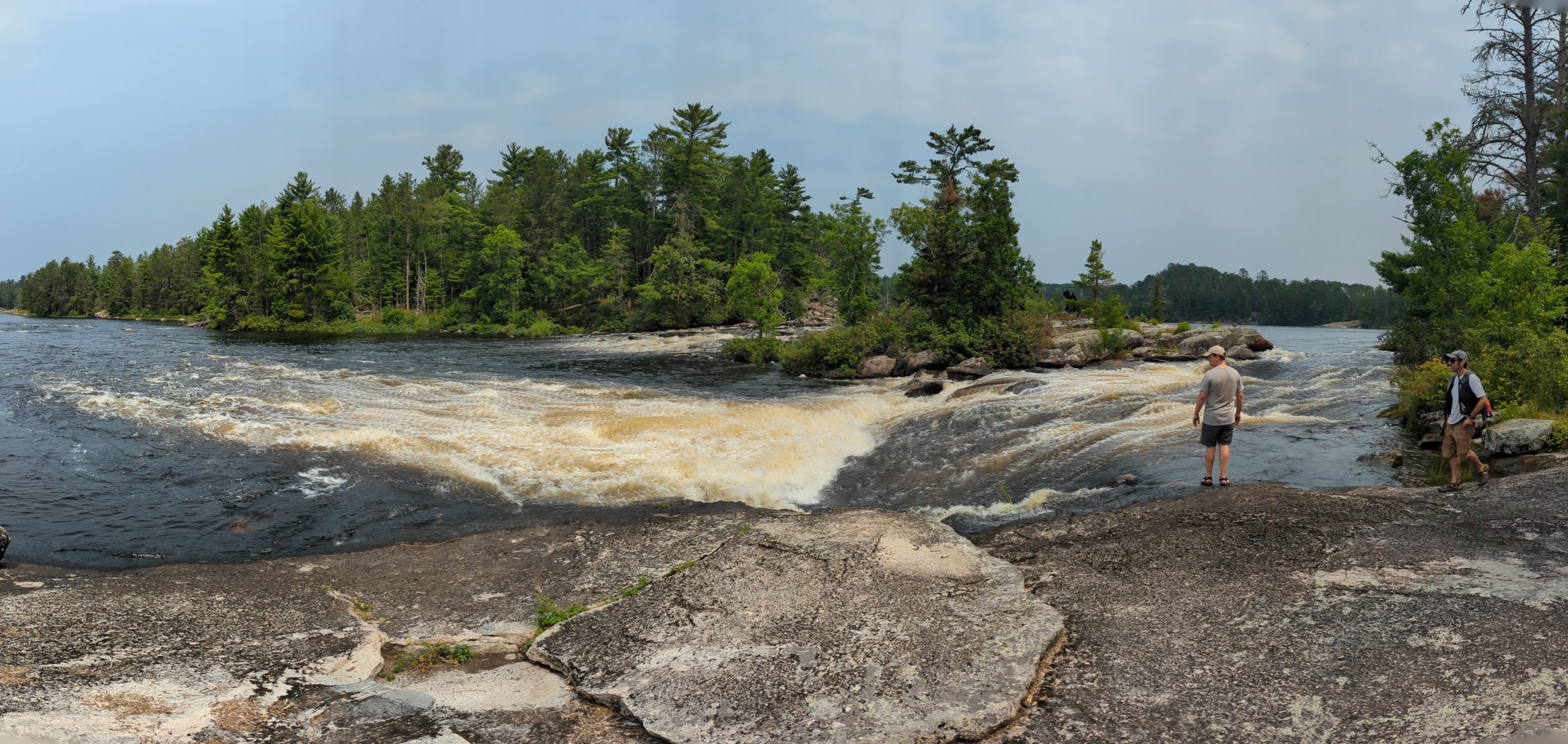
We pulled out of the falls and paddled along the Basswood River to another portage at Wheelbarrow Falls. We considered a campsite just past the portage, but decided to just push on the last mile and a half to get to Lower Basswood Falls. We pulled into site #1548 midafternoon. We took some time to admire the waterfall and then set up camp.
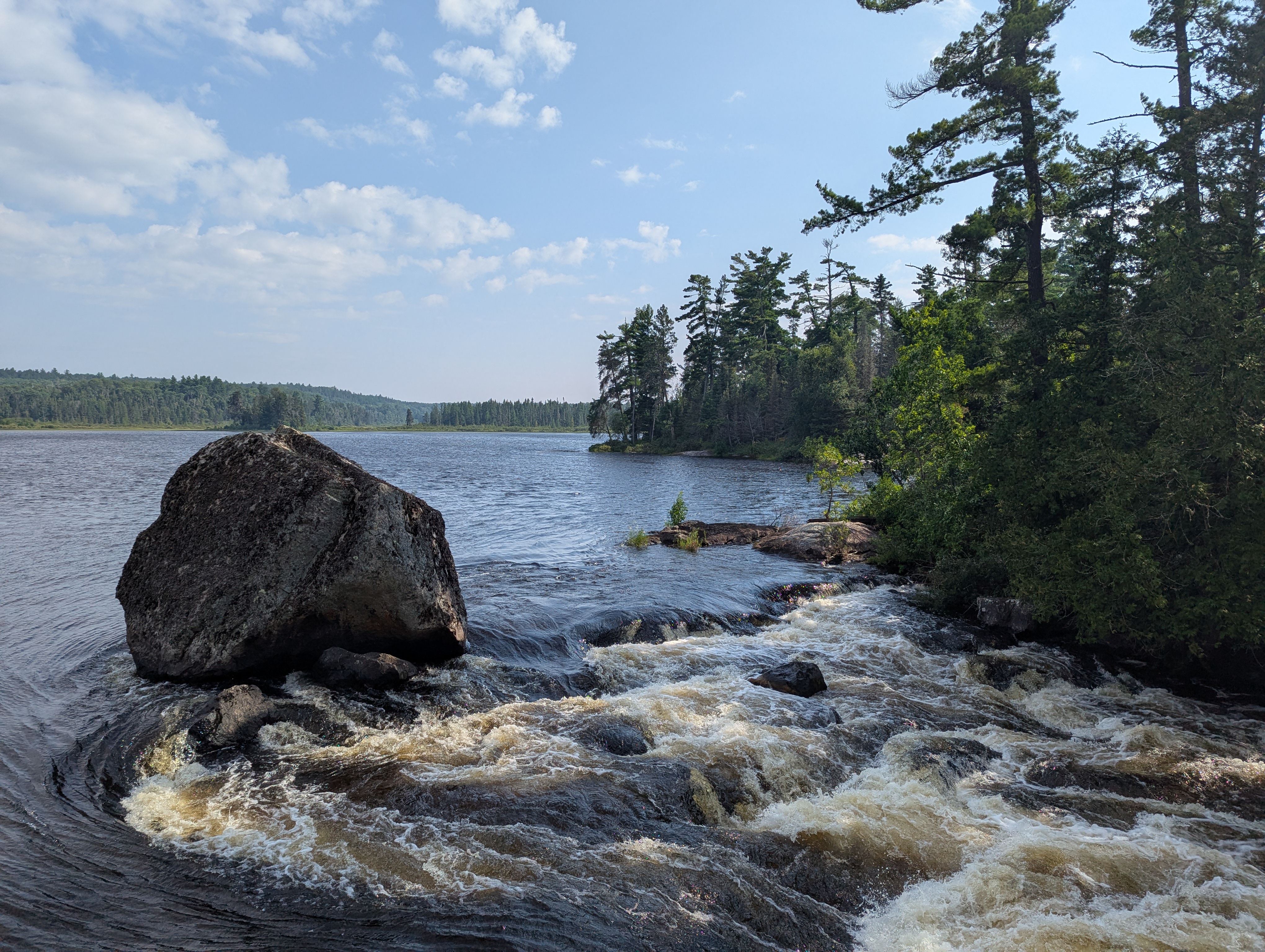
There was a large open space for all the tents with a nice fire grate set up looking out over the water. A large granite rock gave a windbreak, which did us some big favors later in the week.
We were all incredibly tired, so we settled in for jambalaya for dinner. On this stretch, we saw a river otter, several beaver lodges, and bald eagles. Still no moose.
Day 3 - Wednesday, August 6
Our new site was so nice, we stayed the next three full days to rest and enjoy fishing and paddling day trips. We woke up on Aug 7th to a little rain in the night that continued into the morning. We had pancakes and bacon again around the fire and then hopped into a couple canoes to fish the inlet right off the campsite. I caught two good-sized smallmouth bass while some of the other guys caught a total of six walleye. We had fried walleye for lunch instead of the normal summer sausage, cheese, and nuts, which was a real treat.
After lunch, we took the canoes and made the short portage to the lower part of the falls to check it out. We ended up paddling up Crooked Lake to some Native American pictographs which you can see on the cliffs of the western bank. The "Picture Rocks of Crooked Lake" have a very interesting history which suggest they're over 200 years old. We spent the entire afternoon fishing and drifting along in the canoes.
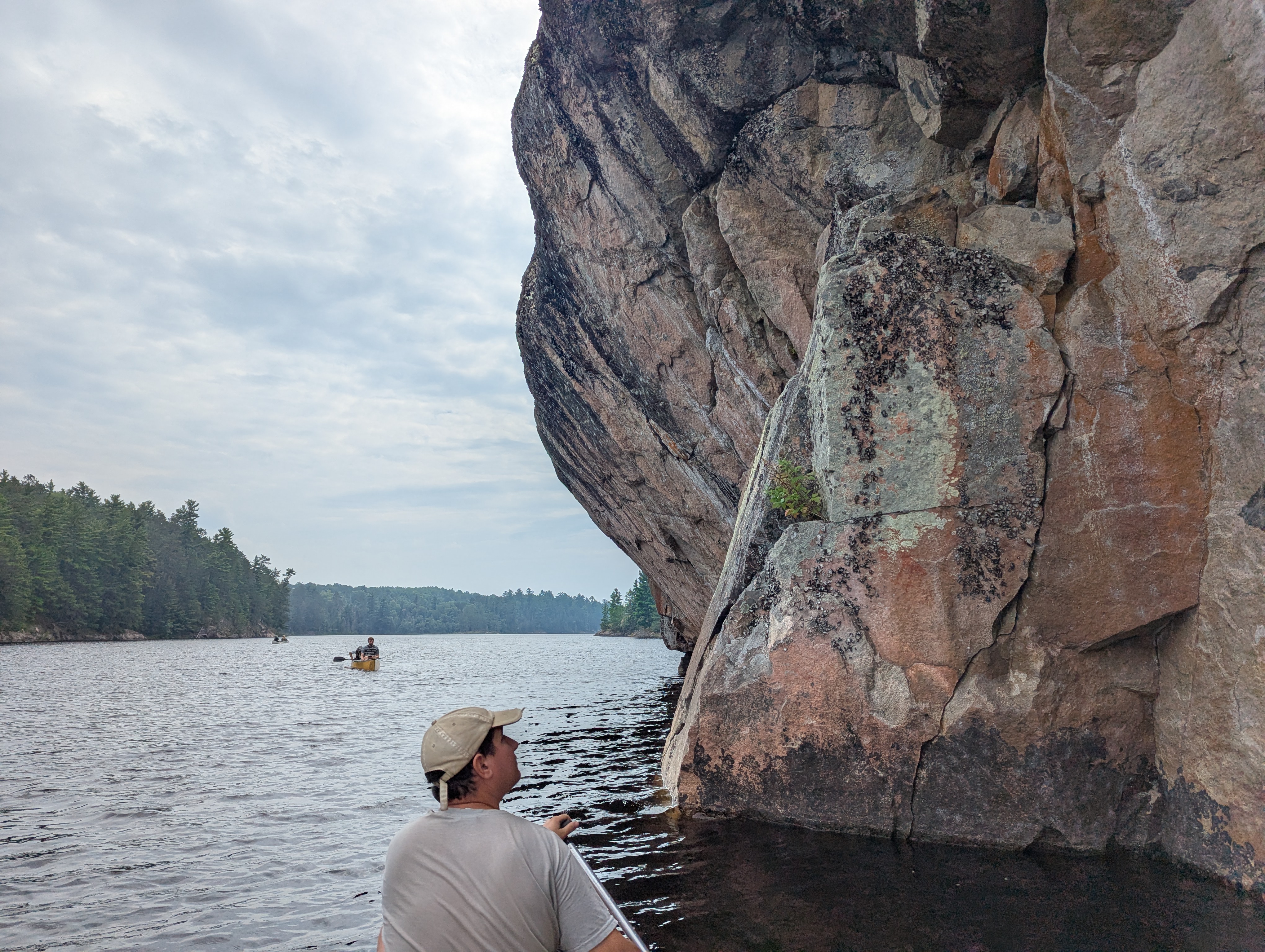
The paddle back to camp was tough - a strong headwind kicked up in the afternoon and we had to work our way back. We fished and caught a couple of northern pike and another smallmouth bass right before we decided to portage back to our site.
Dinner was wild rice soup with more fishing after. No more walleye, but I did get another smallmouth. That's all I seem to be able to catch so far.
Day 4 - Thursday, August 7
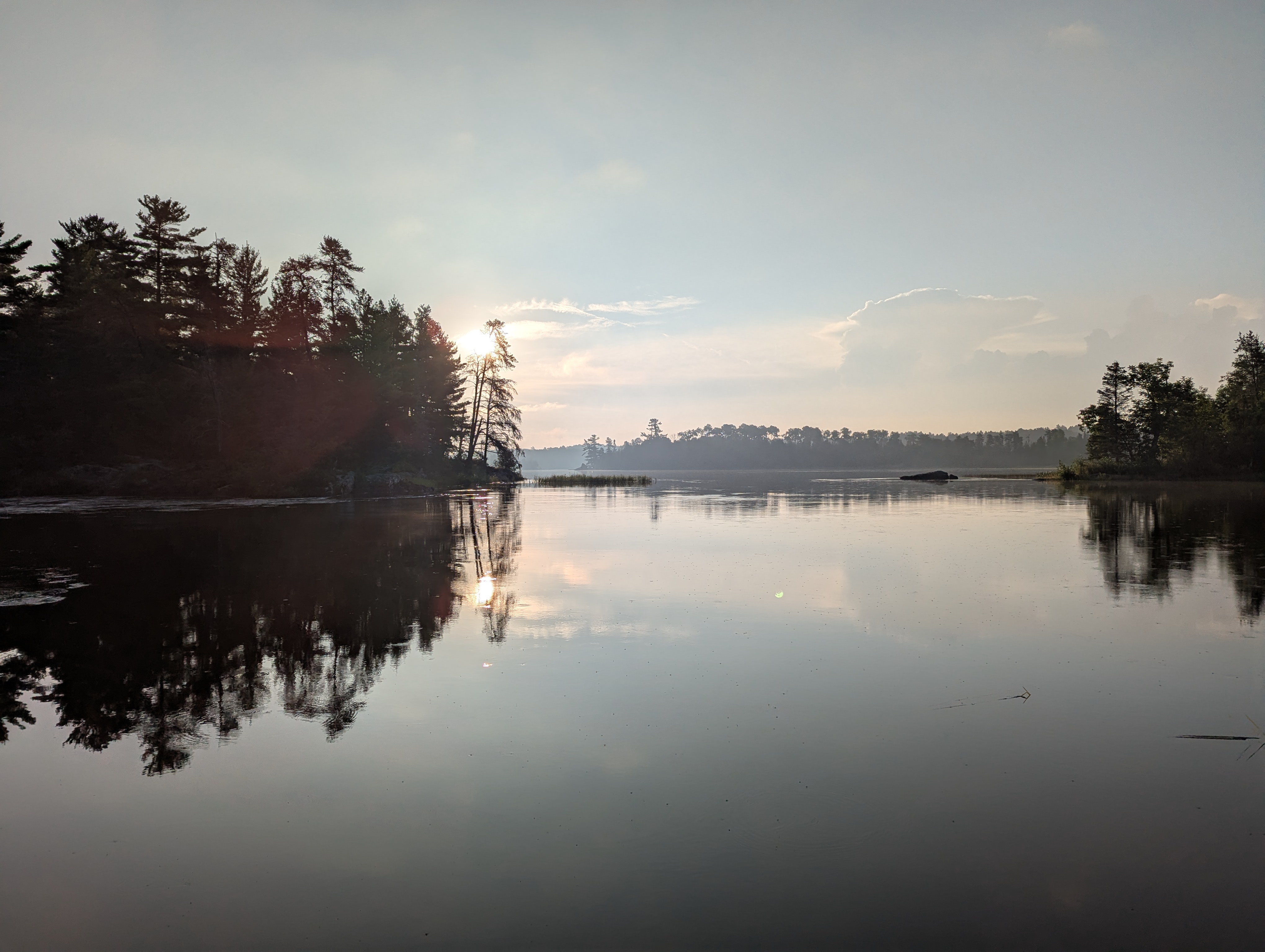
Today was our first nice sunrise of the trip. We had burritos for breakfast and anoter full day of rest at camp. I caught a little smallmouth after breakfast and spent the rest of the day reading my book. I finished the book after dinner.
We were treated to the "swan mafia" show today. When some Canadian geese arrived at our small cove, a pair of trumpeter swans came from way across the lake to kick them away. One of the swans - I'm assuming the male - would paddle over and chase each goose individually, honking and hissing. Later in the day, I spotted a pair of otters coming into the cove to eat. They came up on shore and wandered around for a little bit before popping back into the water and hunting in the reeds.
Today was hot - maybe 80 degrees, which was hotter than every other day so far. Some more thunder in the afternoon while we swam to cool off, but no rain. We made a big pot of macaroni and cheese for dinner with cornbread cooked on the flatiron. A dragonfly swarm took over in the early evening and I watched them hunting flies and mosquitoes. Bugs got bad after sunset again.
I did not get in a boat today and we're planning on spending one more day here because the fishing is so good.
Day 5 - Friday, August 8
Another gray morning. We had oatmeal and coffee for breakfast and decided to paddle up to Moose Bay in Canada in hopes of actually seeing a moose.
The trip there was calm - no wind and glassy water. We climbed an enormous granite outcropping just before the bay to get a better view of the area. There was so much moss and lichen on the rock that it felt like walking on a sponge.
We paddled north to the river at the end of the bay, watching for moose, but didn't get lucky. The wind was really picking up and clouds were moving in, so we went south to a campsite and ate lunch on shore. After lunch, we let the wind push us all the way back across the bay to jig for bigger fish one more time. We had a loon pop up out of the water less than ten feet from the boat before he realized what he'd done and dove again. We had a couple strong bites, but no luck, which is probably for the best.
The paddle home was hard. The wind really picked up and we had to work the entire way back to make any kind of progress. When we got back, I immediately fell asleep. When I woke up, I decided to do a couple of paintings. I need to work on painting water...I'm no good at that.
Dinner was tuna & noodles, which was very filling after a really hard day of paddling. I went fishing after dinner in a canoe and caught the smallest smallmouth in the lake.
Day 6 - Saturday, August 9
We had an enormous thunderstorm over night. It brought very strong wind and over an inch of rain with constant lightning and thunder from 2:00 AM until after 7:00 when we came out of our tents. A tree fell down and landed 15 feet from our tent. We were quite fortunate that no one was hurt.
We managed to get a wet fire started and made burritos for breakfast again. When we finished, we broke camp and started our way down the Horse River for the first five miles of the day. It was extremely reedy and hard to tell where a good path through the water might be, but broadened out after the first portage into something more manageable. The river was home to at least a dozen beaver lodges along the way to the next lake.
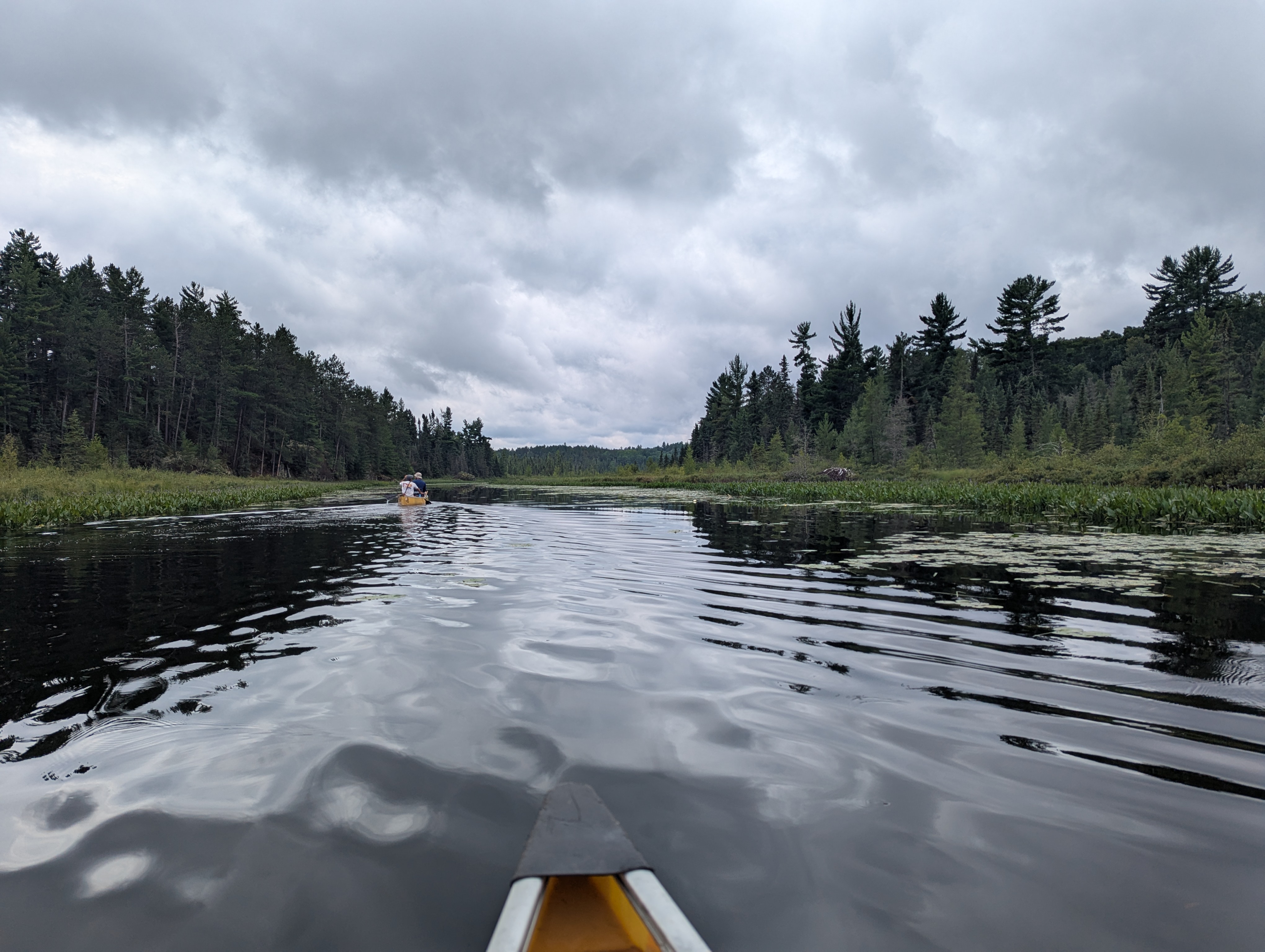
We stopped for lunch at campsite #1116 on Horse Lake before paddling across the lake to make our way into Fourtown Lake for our final night camping. This was a long trip with five separate (shortish) portages and three carryovers through shallow areas on the river. We landed at campsite #1106, right on the entrance to Fourtown Lake.
At camp, we took out our wet stuff and dried it on the large rock outcropping over the water in the afternoon sun. Most of us jumped into the water to try and get rid of some of our accumulated camping patina.
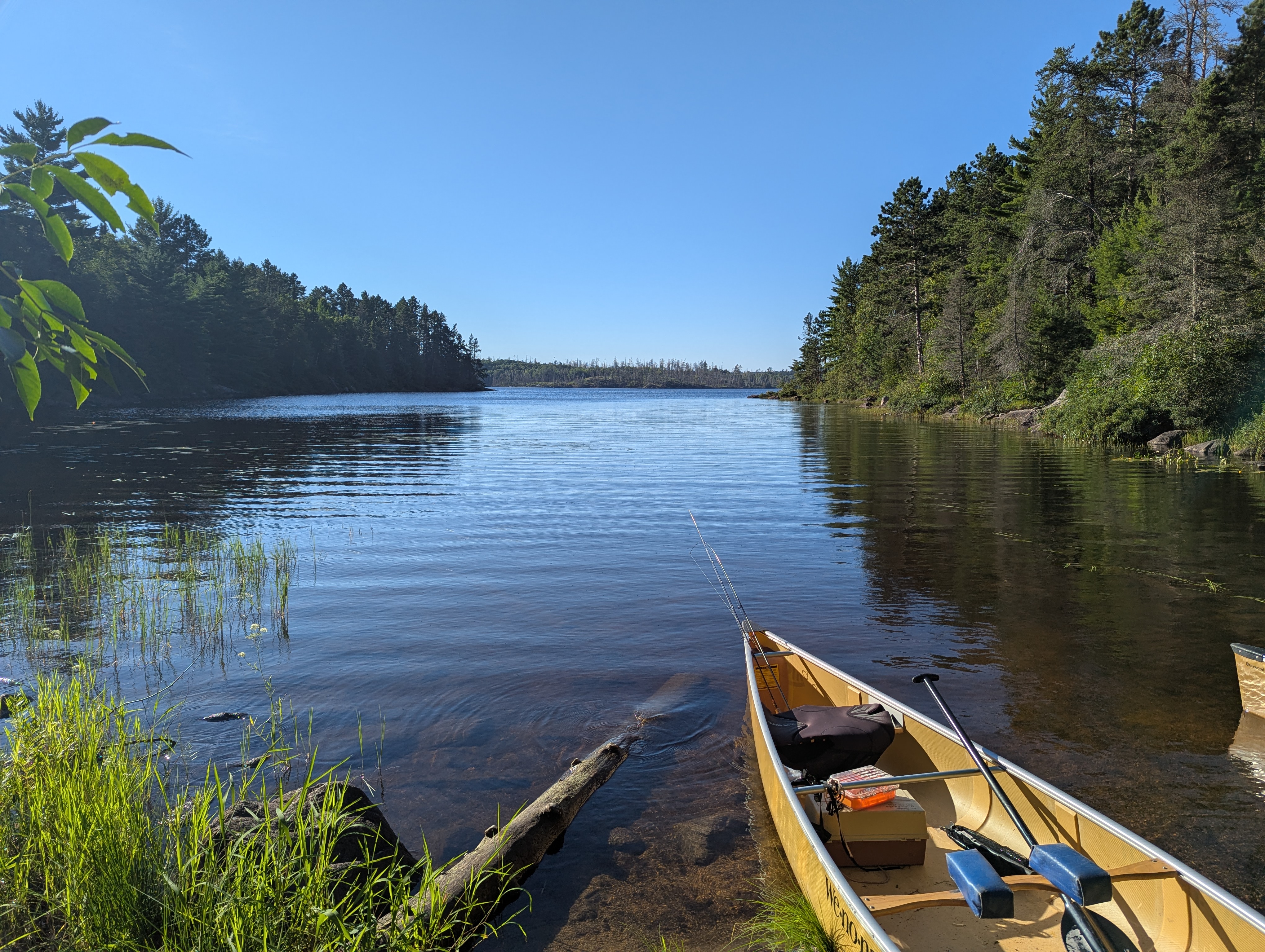
We ate chili and cornbread for our final meal and were gifted with an evening of shockingly few mosquitoes. We stayed out around the glowing embers of the fire, looking at the stars before the full moon rose over the lake and washed everything out. We saw one large meteor flash across the sky, leaving a blue wake behind.
Day 7 - Sunday, August 10
We all woke up around 7:00 this morning and at the last bag of oatmeal for breakfast before cleaning up. We pulled into Fourtown Lake before 9:00 and paddled south into a strong headwind. Once we were off the lake, we had three portages between small ponds before Mudro Lake.
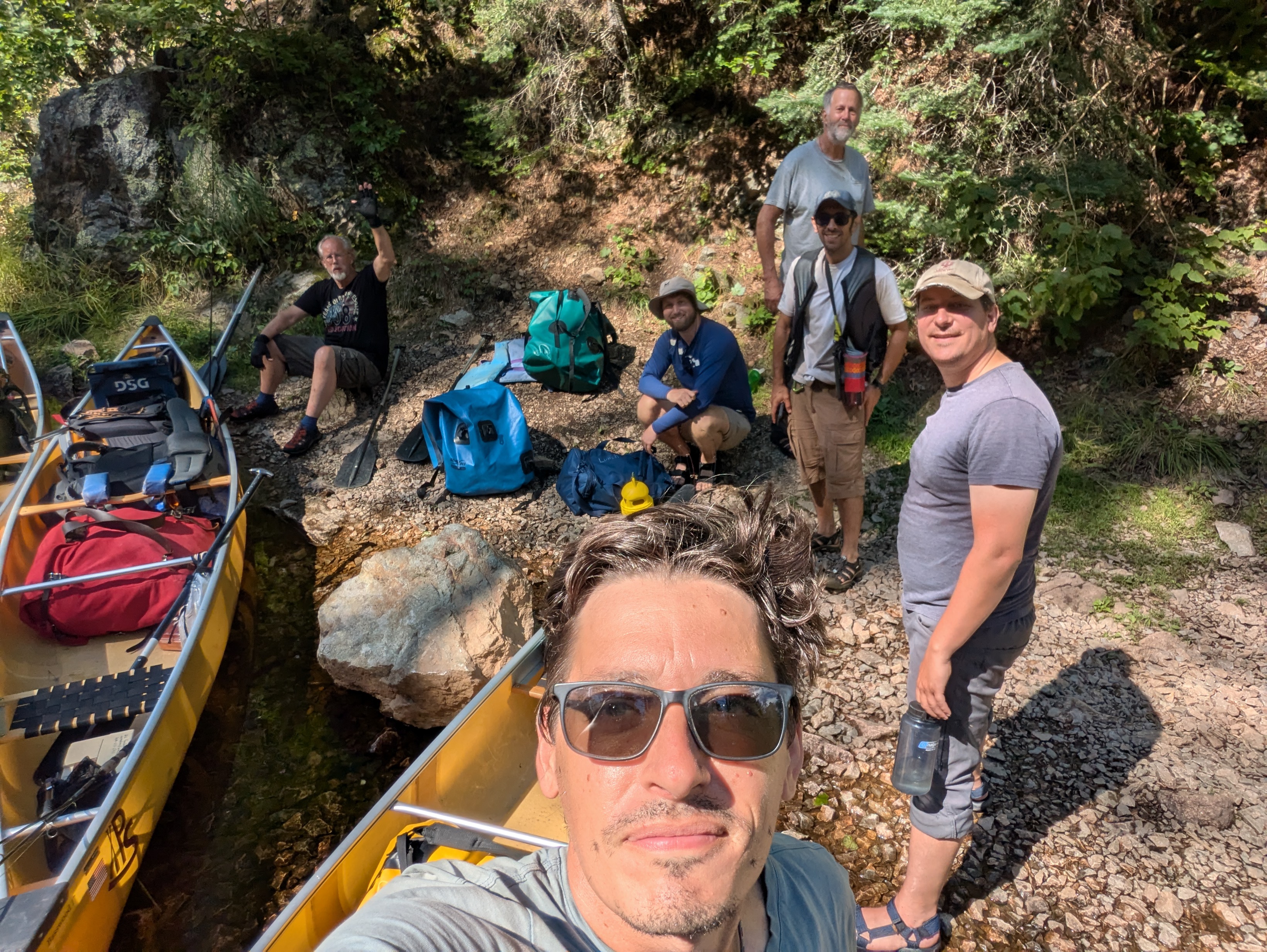
Mudro ends in a long, winding channel through the reeds at the southwest corner of the lake. We saw several more beaver lodges and had to cross one beaver dam built across the stream. We made it to entrance point #23 on Mudro Lake at about noon. We pulled all of our gear off the water and made a phone call to Packsack for a pickup.
When Gene - the former owner - arrived, he offered us cold drinks (I had a Sprite) and a nice ride back to the bunkhouse. At Packsack, we were offered cold beers to celebrate our safe trip. It also happened to be the final day of Ely's "snowmobile motocross" event where men race snowmobiles across the water. It was nuts.
We drove home on the 8th day of the trip, August 11th. This was the longest I'd been away from my family by myself and I'm thankful to my loving wife who encouraged me to go. I feel rested and relaxed and ready to head back into the school year. I'm hoping that we'll be able to take our own kids in the next couple of years for their own adventure.
Only a couple books in July - I was pretty tired each night, so reading was pretty slow.
Careless People: A Cautionary Tale of Power, Greed, and Lost Idealism - Sarah Wynn-Williams
I picked this up after hearing about the legal battle over its publication earlier this year. "Careless" really runs through the entire book. Facebook leadership is careless in how it approaches problems. They care careless over how employees are treated. They are careless over very clear, very real impacts the platform has on the world. The stories are heartbreaking and illustrate the toxicity of power when there are no checks in place.
Sarah's credentials makes the entire memoir credible and gives a deep look into one of the most influential companies in the world. The details of her trauma are hard to read, but give acute insight into the attitudes and behaviors of top leadership at Facebook.
Interestingly, after finishing, I had an exchange with someone on Mastodon about the author's own lack of responsibility for what happened during her time there. I think I read this with a little bit of a lens already in place and I missed that angle.
The Three Body Problem - Cixin Liu
After seeing the trailer for the Netflix series, I grabbed a copy from the library and set in. It took me a little while to get oriented to the main characters, but once I had each of them straight in my mind, I enjoyed the book more. It's a difficult book because of the complexity of the Chinese cultural revolution in the 60's and how it affects characters later in life. Given that it's a translation, I'm not really surprised to have struggled with different aspects of the narrative. There is a thick portion at the end with a lot of high-level physics detail that could have been simplified, but it also set up the scope of the main conflict, so maybe it was done correctly.
I didn't know this was a series and I'm not sure I'll continue reading. Given that there are two more books, this ending felt like it could've been standalone.
Hoo boy the blog hasn't gotten much in it this summer. I think this is becoming a more annual tradition, where it goes dark from May til late August. We're outside a lot and I don't really have much happening in my mind while I take a break from school.
I'll be on a camping trip next week, so there will be a post following that with pictures. Then, I get back into school mode the third week of August and I'm sure that will propmt some writing.
Anyways, I'm still here. This isn't dead. I'll be back...eventually.
A few weeks ago, I came across Every 5x5 Nonogram and it quickly earned an icon on my phone. If you've never done a nonogram, it's a small logic puzzle consisting of a grid and numbers along the left and top edges. The numbers tell you where to mark cells. Two numbers of filled in cells must be separated by at least one empty cell.
I did my first nonogram in Mario's Picross, a GameBoy game we enjoyed. My brothers and I would get to play until we made three mistakes and "died" before the level reset.
Anyways, Every 5x5 Nonogram was inspired by One Million Checkboxes and features...every possible valid 5x5 nonogram layout. There are over 24 million. From the website:
Every 5x5 Nonogram is a realtime, collaborative web game by Joel, creator of Pixelogic.
Can you help solve all 24,976,511 solvable 5x5 nonogram puzzles? Every puzzle has a unique solution and requires no guessing.
Solving a puzzle solves it for everyone else!
As of writing, we are nearly 50% done. Some favorites from my own solving:
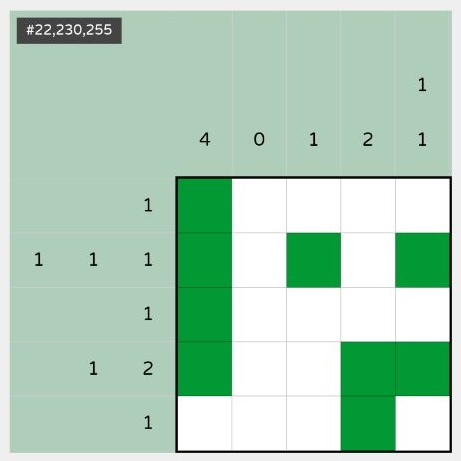
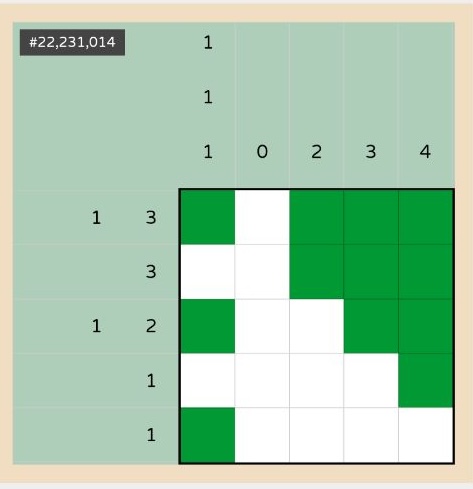
Can you help finish?
In what is turning into an annual June trip, we took a trip to visit friends in Minnesota this year. It was a shorter trip - just a long weekend - but we crammed a ton into the visit. We went with another family and between us all, there were 10 children, ranging from 18 months up to 11. There was a lot of energy to burn off each day.
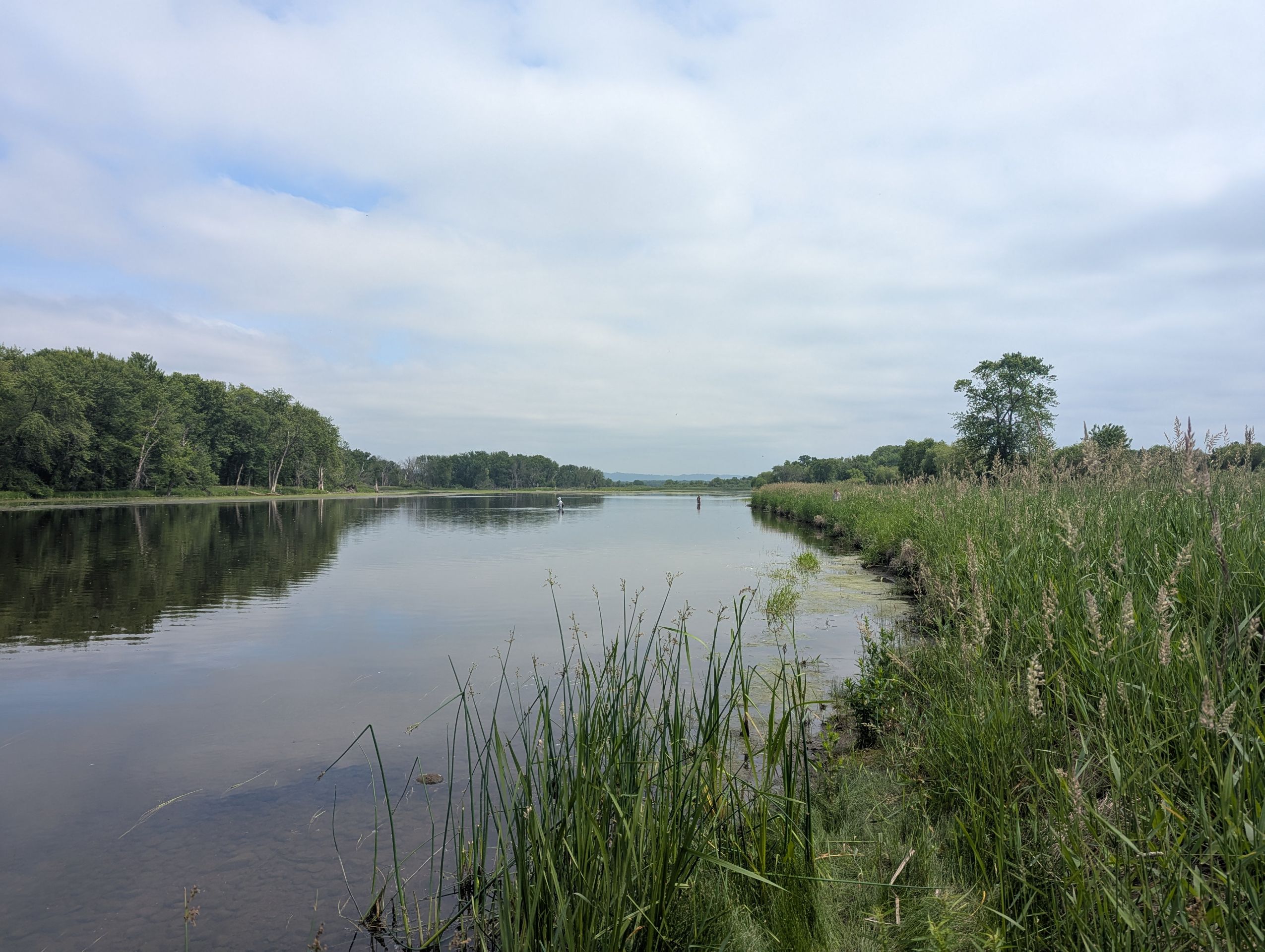
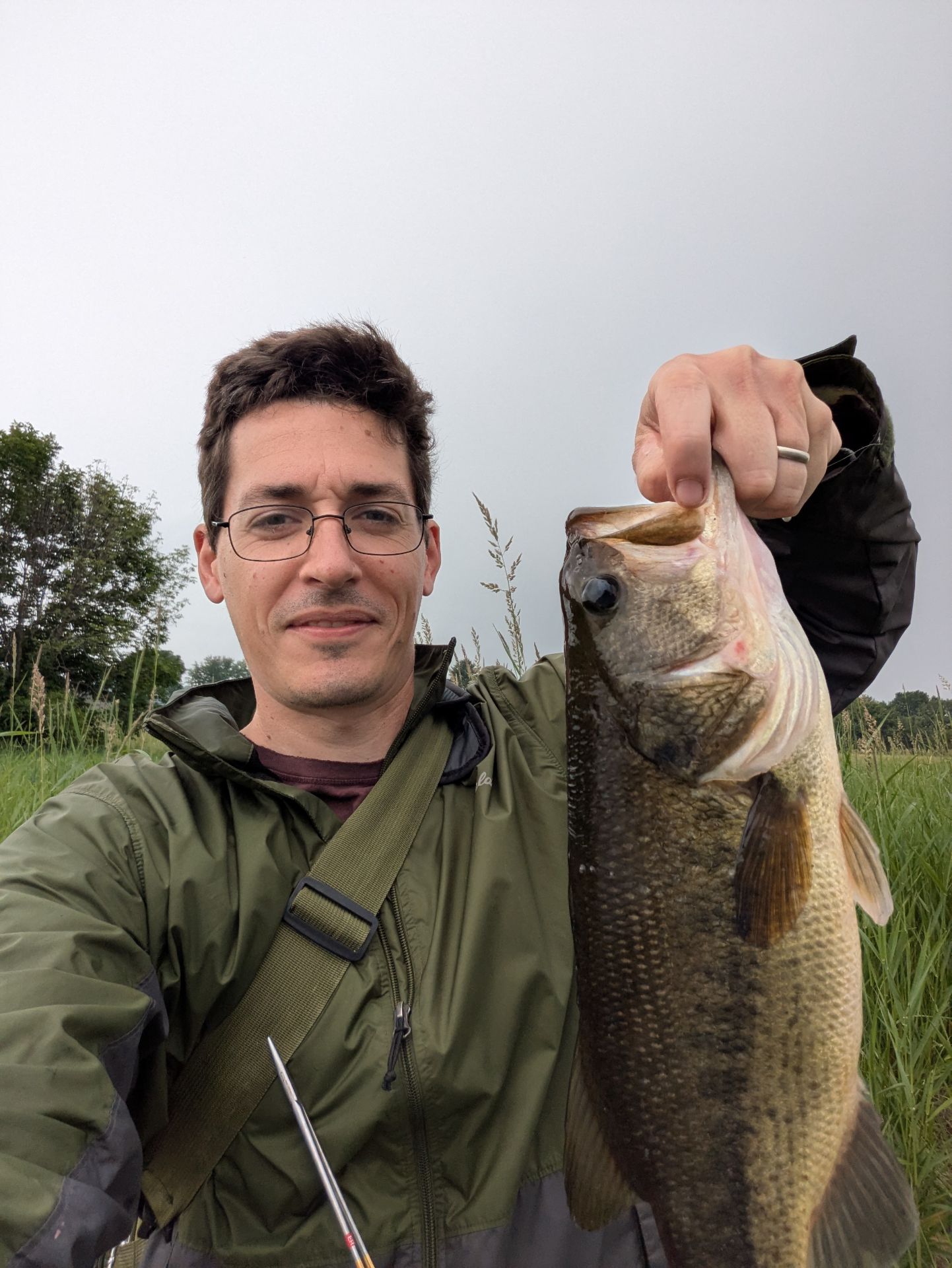
Wabasha is at the headwaters of the Mississippi River. Years ago, I visted Memphis with my wife and stood on the bank of the river. It was impressive because of how wide it was, but it wasn't really memorable for its beauty. The Mississippi up in Minnesota is the polar opposite. The river, instead of one large stretch of brown water, meandered and broke off into channels, forming islands and inlets that featured marshes, tall grasses, small side branches, and more birds than you could imagine. Many of our afternoons and evenings were spent on the river fishing. I wasn't super successful, given the amount of time fishing, but I did get one picture-worthy catch.
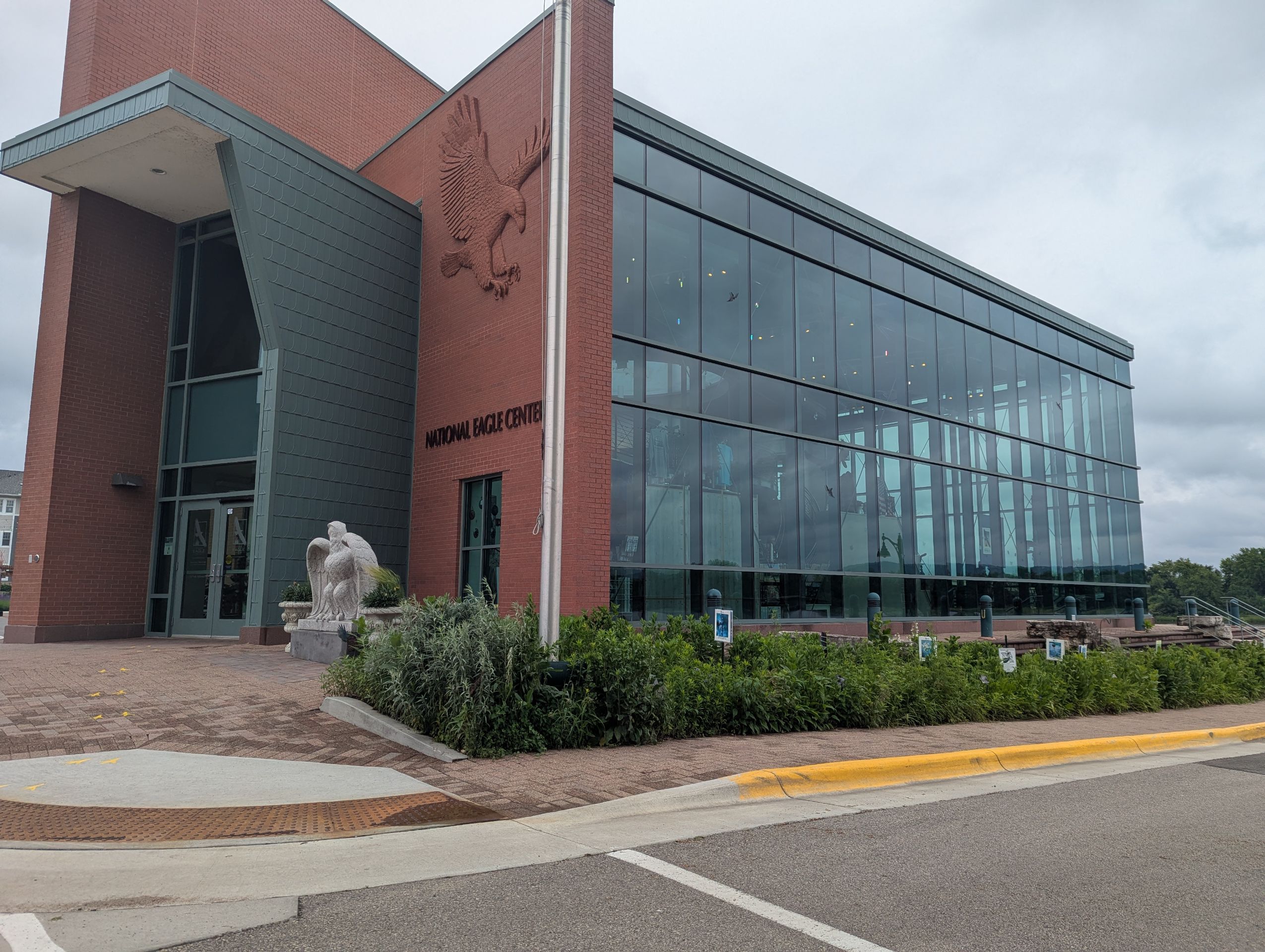
Wabasha hosts the National Eagle Center which was a short walk from the house. It was a beautiful building right on the river and hosted both live eagles who cannot be rehabilitated along with a very well done museum exploring the ecology of bald eagles, their significance in American culture, and the conservation efforts the center provides.
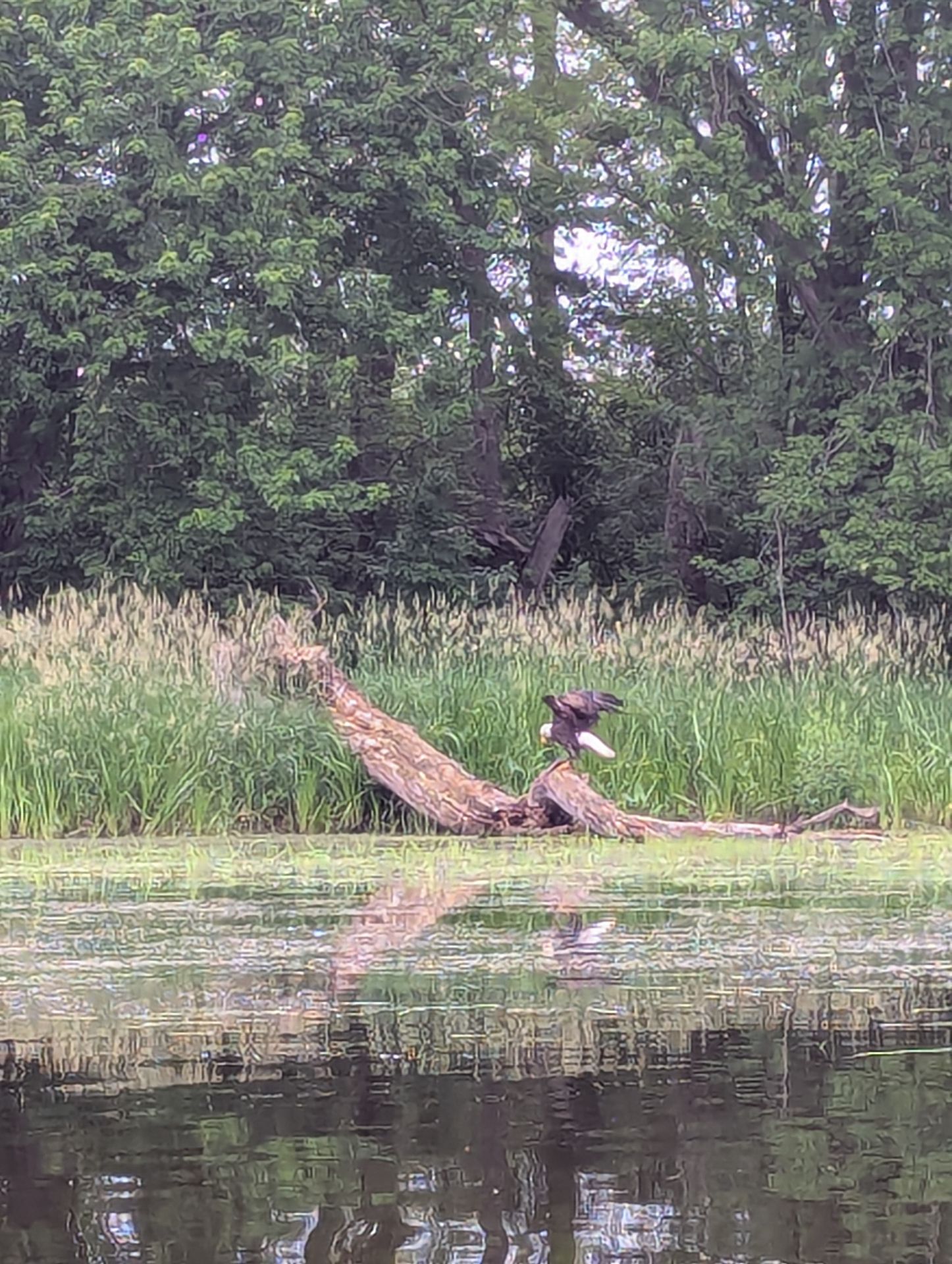
I'm not one for weird American patriotism wrapped up in bald eagle stuff. Benjamin Franklin actually called them "Birds of bad moral character" because of their tendency to rob other eagles and scavenge. That said, they are impressive birds for their size alone. The eagles in captivity at the center aren't capable of surviving in the wild (one was missing an eye, the other had a mishealed wing which prevented flight), but luckily, there were three nesting eagles - two parents and a juvenile - in the back yard. I was actually able to snag a photo of one eating a fish it had caught just moments before.
I snuck out on a kayak the second morning while the water was calm. I paddled out of the the little inlet we were on and explored some of the river downstream before turning upstream to reach the Mississippi proper. I dipped my paddle in the water, so I've officially kayaked the second-largest river in the United States.
That night, we went to what is probably the most remote pizza place in the nation. The restaurant itself jokes that it's "the best pizza no one knows how to get to." The Stone Barn is actually in Wisconsin, but it's settled into the gorgeous rolling farms which cover the area away from the cities. I won't repeat the story here, but the restaurant is built in what was the cellar of a barn built in the late 1800's and has been turned into a very popular, weekend-only, pet-friendly pizza place. The kids played on the swingset, looked at the goats, and took a hike on the trails.
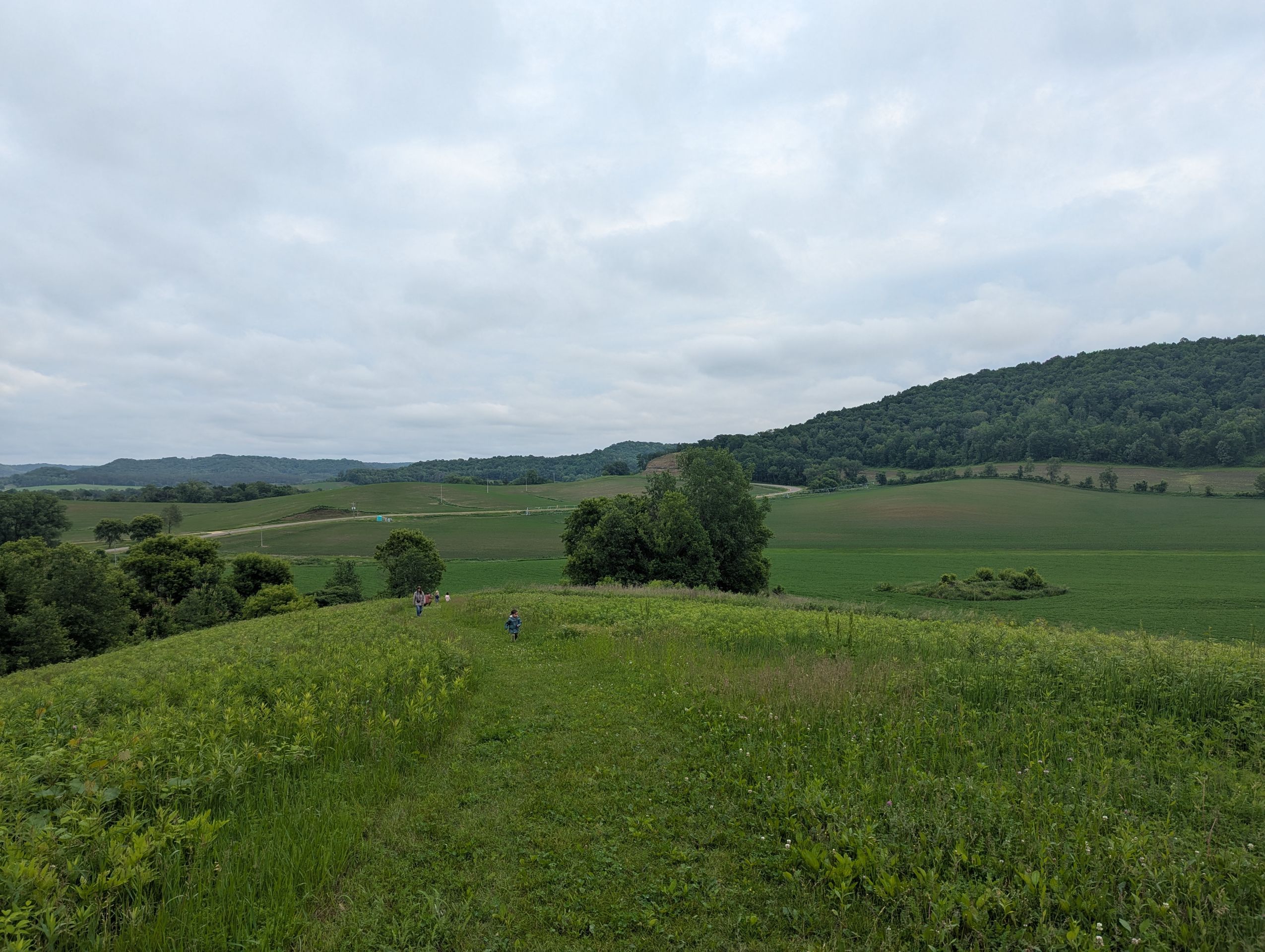
We enjoyed (too many) late nights and the slower evenings with kids entertaining themselves down by the water or on the swings. We live in an area and go to a church where people come and go. It's sad to say goodbye to friends when they move on, but we also now have a network around the country we can go visit. We're not sure where next year will take us, but we did just have some friends move to San Antonio...
This month, I added a new post template for longer writing that has more images included. I wanted a way to add full-width images for accents and more flexibility in how the images were laid out. Josh Comeau has a great article on setting up a grid for full-bleed images. CSS grids also allow named grid lines and I'm pretty sure I saw a Kevin Powell video where he built a layout using named lines, but I can't find the link right now. I used both ideas to get my grid set up.
I added a new class to my CSS rules that looks like this:
css
.single-col {
    display: grid;
    grid-template-columns: [full-start] 1fr [wide-start] 1fr [content-start] 5fr [content-end] 1fr [wide-end] 1fr [full-end]
    /* rest of the rules */
}
This gives me a five-column grid with the widest section being the post content itself. The full and wide line names will break content outside of the main column for accent images, quotes, or other fancypants things I want to do.
An example post is our trip to the Adirondak Mountains last year. The heading includes a nice, wide image at the top as a feature. The .featured class takes care of placing the image correctly:
css
.single-col > .featured {
    grid-column: full;
}
The grid-column property is smart enough to know that it goes inside the full-start and full-end line names, stretching it across the broswer. Any other content without a specific class like .full or .wide falls within the content gridlines.
This entire blog is written in Markdown and converted to HTML with Pelican. Markdown specifies that every new line is wrapped in a paragraph tag, including images. To get full width images working, I needed one more rule and this is one of the first times the :has() selector has come in handy for me.
I wanted the full class on the image tag because that's what I'm writing. I don't wrap images in paragraphs when I'm writing my HTML. Using the :has() selector, I can write the HTML the way I want and CSS will find images with the full class in the post body and apply the rule correctly.
css
.single-col > p:has(img.full) {
    grid-column: full;
}
I'm really happy with this result and it gives a great visual cue as to the type of writing...more magazine/travel/storytime thing rather than my shorter posts. It also makes me more intentional about taking pictures thinking ahead about the kind of writing I'll want to do. I'd like to start experimenting with more post customizations with specifc stylesheets and rules per post rather than category templates, but that'll come later.
After two weeks of not eating consistently and losing weight, we decided to have our dog, Jo, put down.
***
We got Jo in the summer of 2014 when our oldest daughter was about six months old. We had a new baby and a new house and figured how hard could one more mouth be?

Jo, whose original name was "Penny" (which didn't stick), was described by the seller as a "mix of Weimaraner and fence jumper." She was one of the smaller puppies in the litter and was the quietist of the bunch. We figured these were good signs and that we'd have a nice quiet dog to go with all the other changes in our lives.
Jo turned into a big dog who really wanted to be a lap dog. She loved being scratched behind the ears and would rest her chin on any lap willing to have her. This usually meant her entire frame was leaning on someone's legs while she fought to stay awake.
Since we got her with a baby in the house, she learned quickly how to be patient. Her submissiveness only came out more while the kids (all four of them) grabbed, pulled, and otherwise used her as a beanbag chair during their infant and toddler years. She grew up right next to our kids and wanted to be where we were.

When we moved up to the farm in 2020, Jo suddenly had way more space in which to do dog things. She had all of the sunny spots picked out and would migrate around the yard throughout the day to get the best vitamin D she could. She particularly loved freshly dug dirt, generally where we would be trying to work.
Her true superpower, according to my wife, was her ability to find snakes. Jo didn't get riled up often if she wasn't playing, but when she came across a snake in the yard, she would almost point and give one, loud, deep WOOF. We'd either look up or run out to see her prancing around some poor garter snake just trying to go about it's business. I would pick it up and Jo would want to make friends so bad. She'd be in there, sniffing, trying to give a little lick and was bitten on the nose on more than one occasion.
When we would walk out the door to do something, Jo would trot along just to be with the group. She would shiver outside while the kids went sledding down the back hill in the winter. She would stay outside, even in the rain, if we were finishing up chores. Jo was always there. She was a people dog.
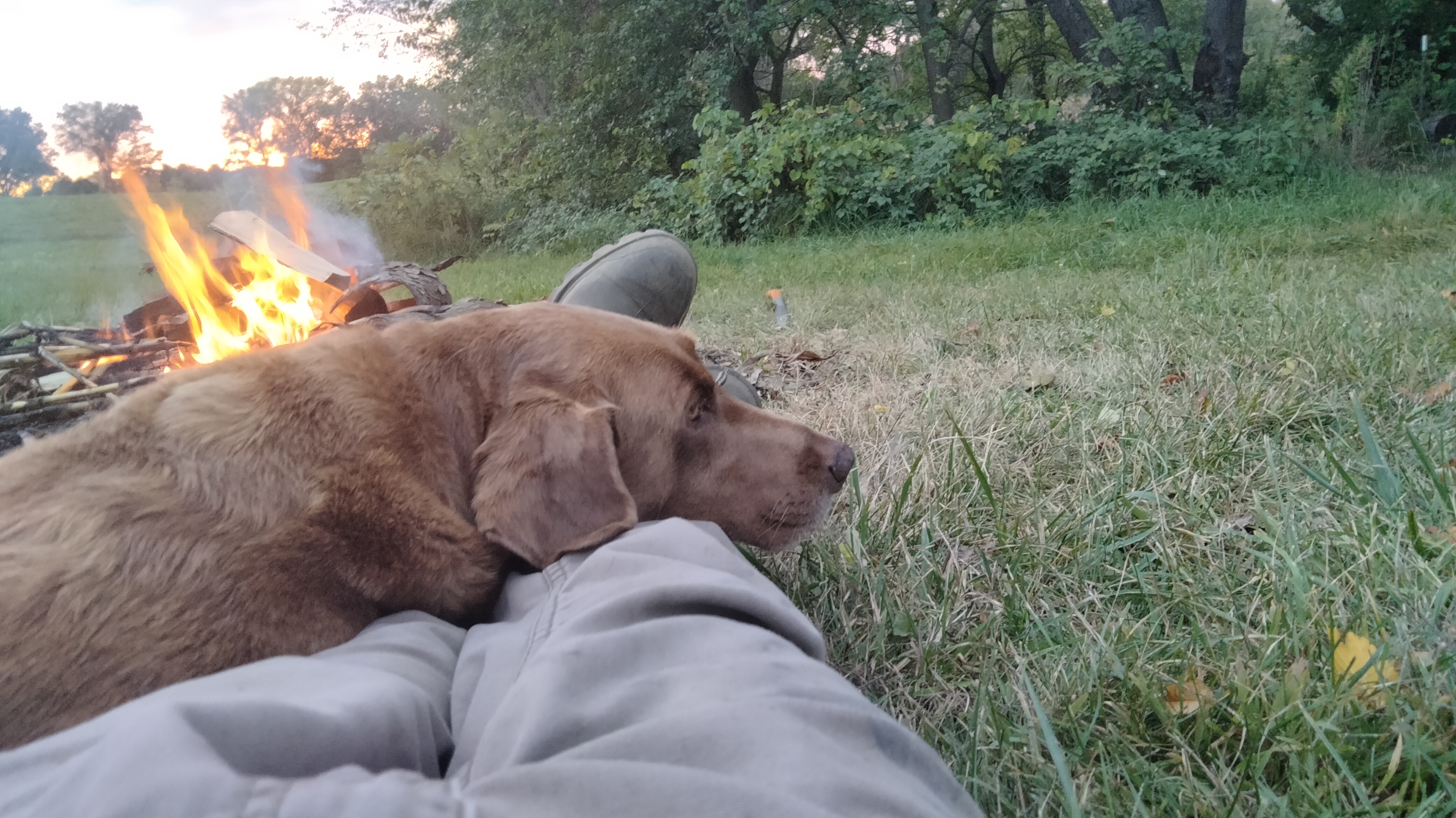
When Jo didn't eat for a couple days, we didn't think anything of it. She'd done this in the past and was usually some kind of upset stomach. But two days turned into three and then more. She wasn't eating dry food and would only lick at eggs we tried giving her. We bought a couple cans of wet food and even that wasn't taken very well.
We'd both read that labs are so loyal that they'll often string their lives out so their owners aren't disappointed. I know it's anthropomorphization, but with Jo, it wasn't out of the question. She would lay in her favorite spot all day and wag when we came over, but wouldn't stand or walk much. As much as I hated to even consider it, I knew the end was probably near.
We told the kids the night before and then spent the day preparing a nice spot for her in the yard. I was doing okay right up until the kids said goodbye. I had to take a minute to make sure I could drive.
The veterinarian was quiet and gentle, more for me than for her. I wept over the unfairness of having to make this decision and over feeling like I had let the dog down.
I know she didn't know what was happening and I stayed with her right up until the last heartbeat.
I drove home, Jo wrapped in her blanket. We cried some more as a family before putting her under a tree at the back of the yard. The kids chose an enormous stone to put near the spot and it turns out you can see it from the house.
There's an old comic, "Death and the dog" where a dog asks if he was a good boy to the Grim Reaper. Death replies, "No...you were the best."

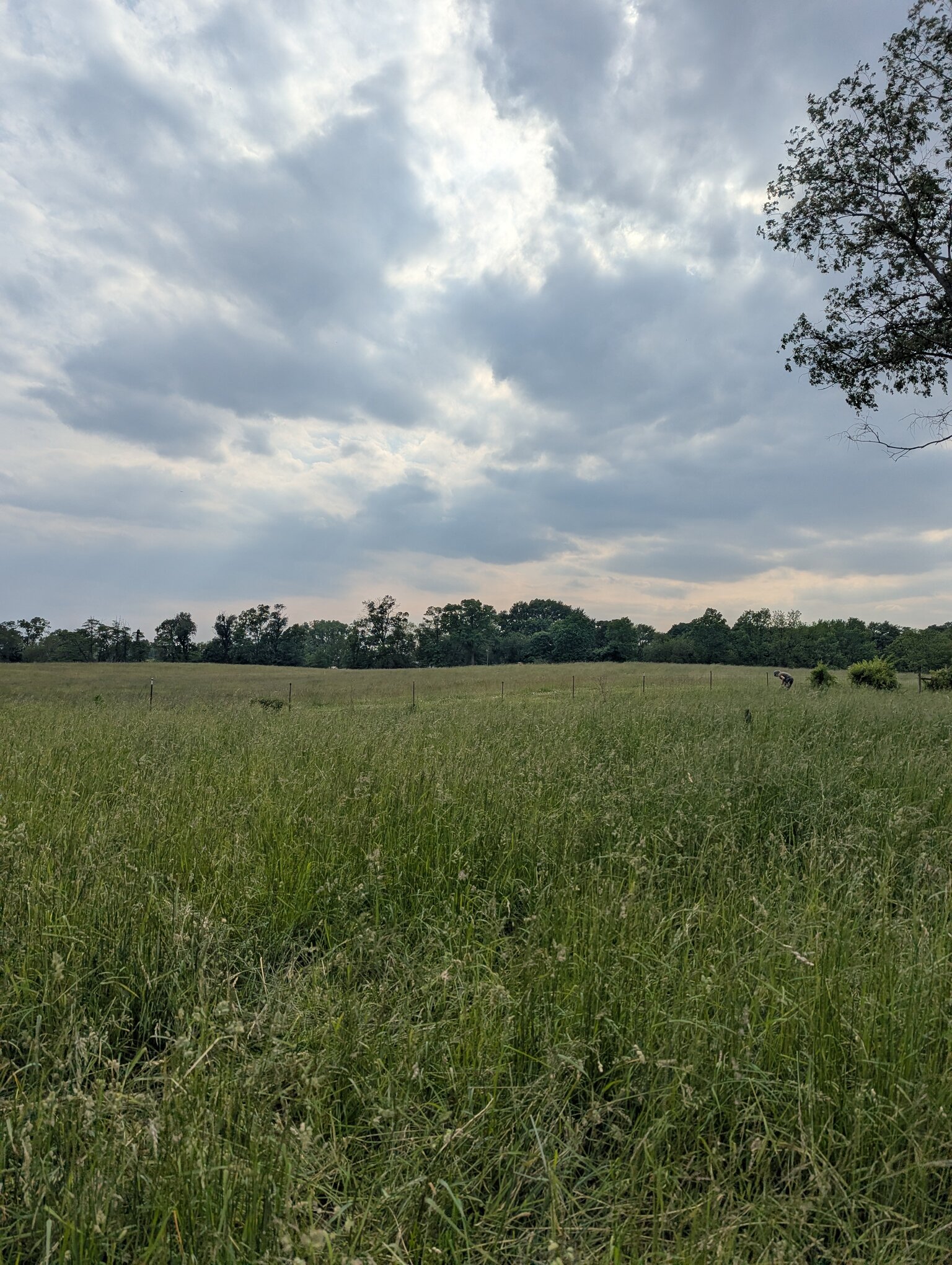
This world can often be overwhelming.
Another month down, some more books finished.
More Than Words: How to think about writing in the age of AI - John Warner
This is a critical look at artificial intelligence tools like ChatGPT and why these tools do not write in the same sense that people do. Warner provides an approachable technical overview of what the systems do and why that doesn't fit the definition of human-produced writing.
The middle of the book explores the experience of writing and reading as humans, building a case against using large language models for writing in general. Warner does give examples of where these tools could be helpful, though.
Lastly, he breaks down ways in which to responsibly and slowly engage with AI tools. The adoption of ChatGPT and similar is not inevitable nor should we accept the argument that we should just accept them in classrooms. This book is well worth a slow read for anyone working in schools.
I also have a longer post on this book. You should just read the book.
The Dream Hotel - Laila Lalami
I read this book after hearing a review on NPR. Sara is retained (not detained, an important distinction) after returning from a trip abroad because government AI systems flagged her as a threat to others. She struggles to make her way in the retention center, facing discipline for arbitrary and shifting rules and physical danger while having her rights, masked as privileges, stripped.
This future isn't far away and is already here in many ways.
The Bridge to Never Land - Dave Barry, Ridley Pearson
A fifth book in the "Peter and the Starcatchers" series which follows Sarah, Aiden, and JD about 100 years after the original four books were set. Again, lots of rising action spread into 40 or so chapters before the characters really start to make progress.
The main characters ask questions through the whole book without really finding answers. The antagonist feels flat and just kind of "there" for the suspense. No one really develops and again, like the last previous two books, this was a chore to get through.
I've been sketching and painting regularly over the last month. I feel like I'm getting some technique down and I'm setting aside consistent time to actually make some stuff with my hands. Here's a small selection of some of my sketches from the last month or so.
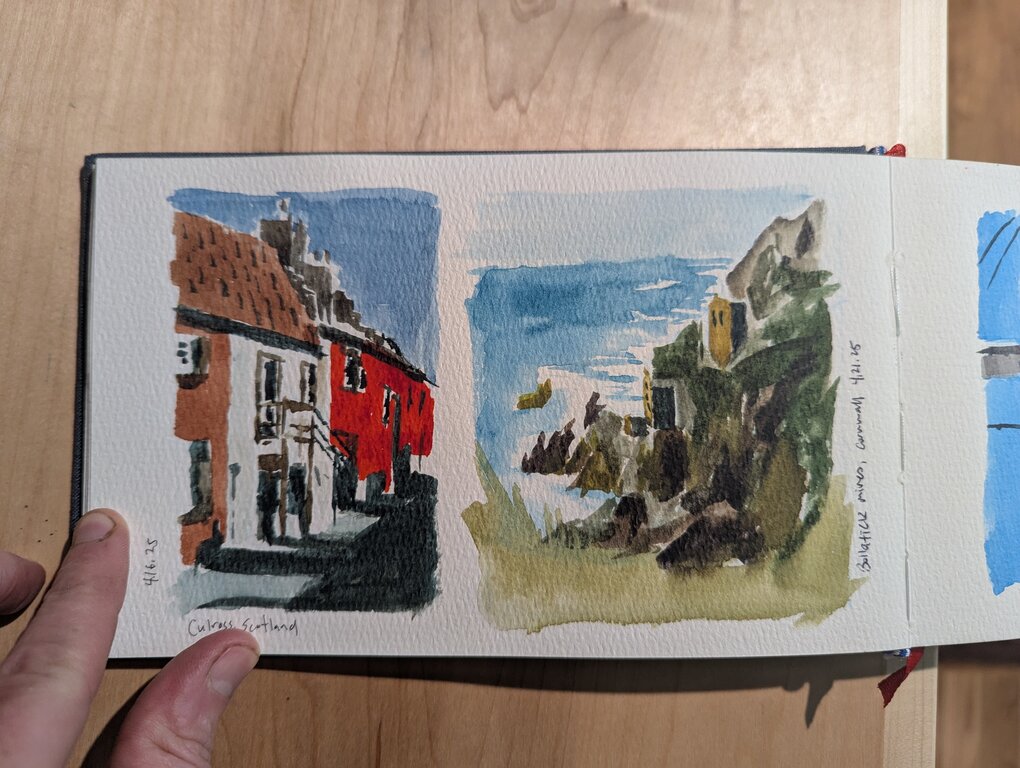
I started scrolling through Mastodon posts on Sundays and bookmarking pictures people share with the "SilentSunday" tag. There are often great lanscapes, lonely buildings, or other quiet photos which grab my attention. This has helped me keep a log of things to scroll through when I sit down to paint so I don't have to hunt for subjects.
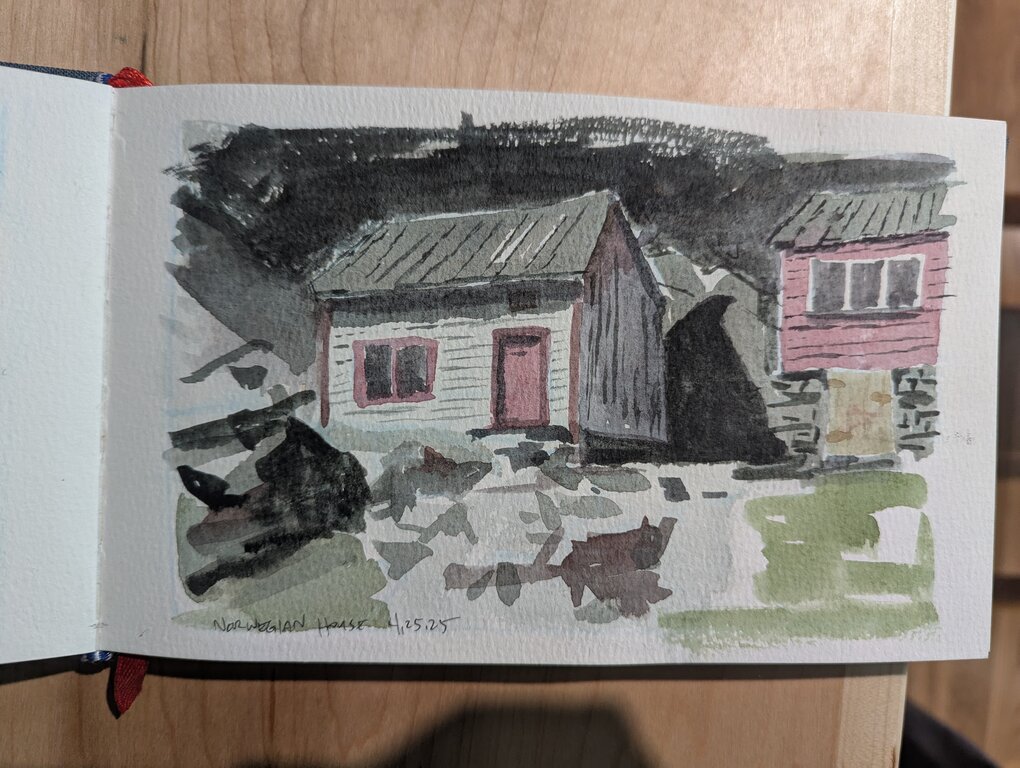
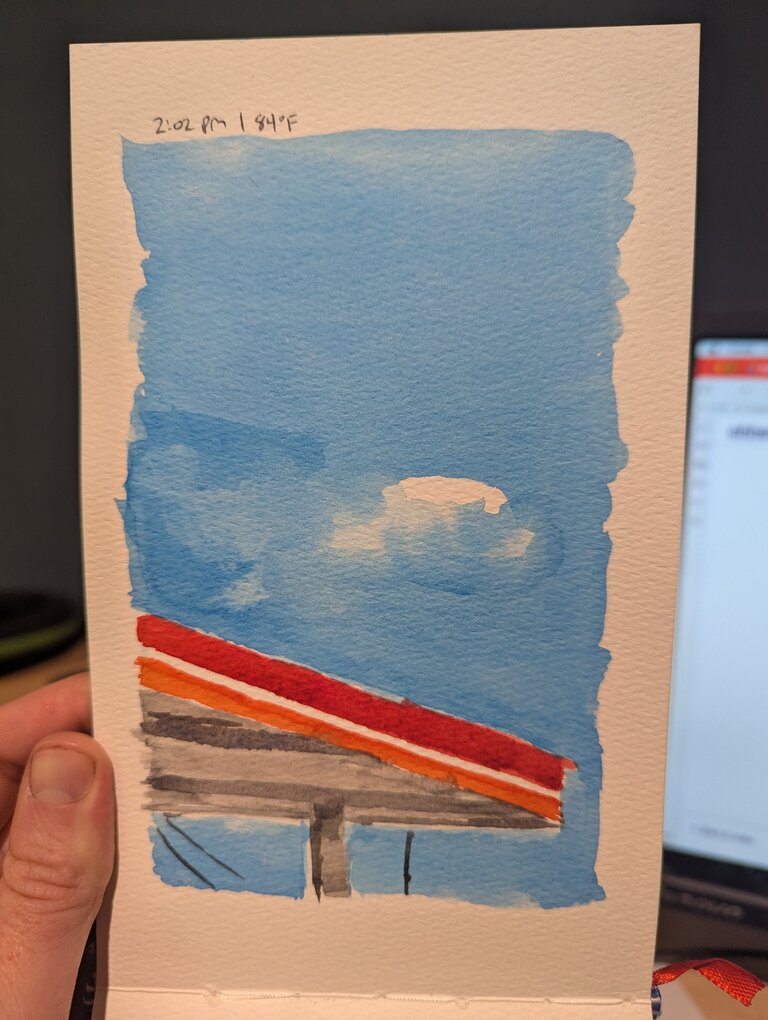
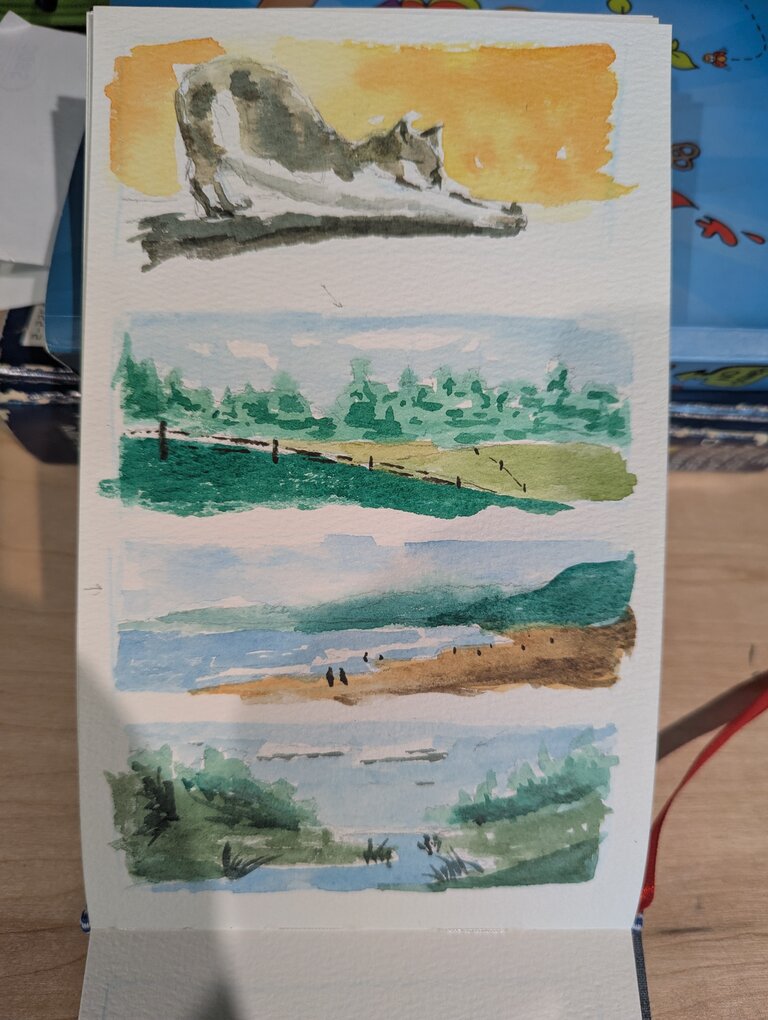
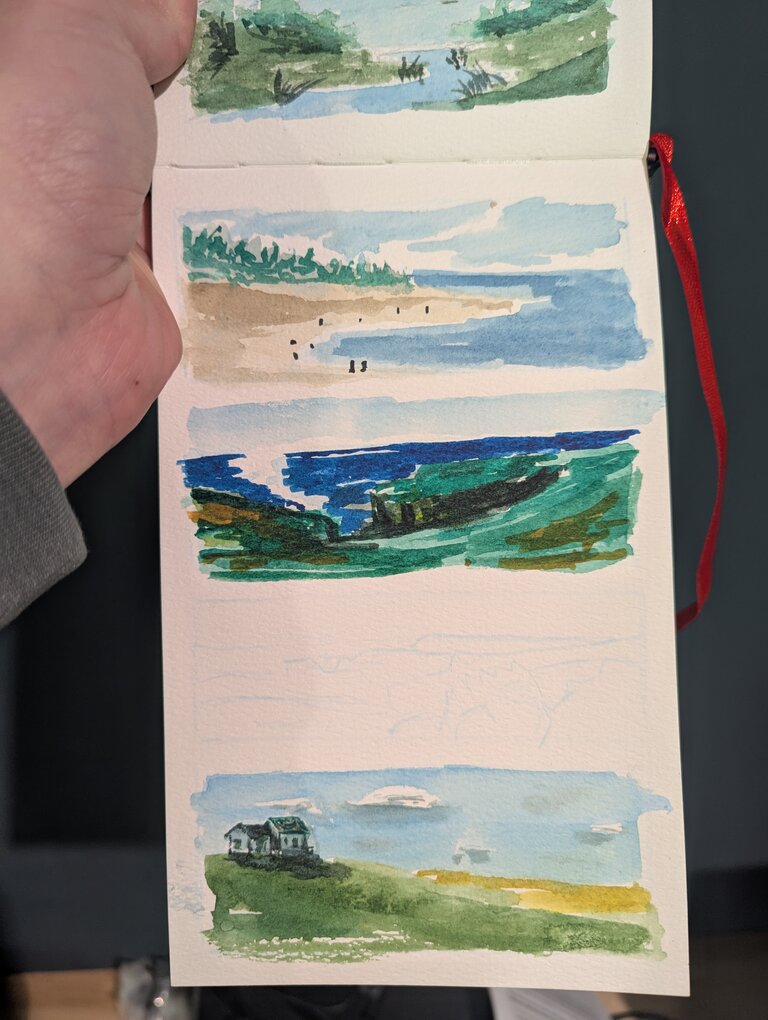
It still feels clumsy from time to time and I'm still wary about putting paint to paper. There are a couple pages in this sketchbook that have some pencil sketches that I cannot quite bring myself to paint yet...I'm not sure why. But I'm enjoying the time.
I just finished John Warner's More Than Words: How to Think About Writing in the Age of AI and I wanted to take time to reflect a little more at length about the book and how it's pushing me to think about my own positions on AI.
First, this book is worth reading by anyone, not just teachers or writers. Warner takes time at the beginning to explain what large language models are and how they work. The underlying function of the technology is next-best-word predictions. The chat layer adds a feeling of "intelligence" - which doesn't exist - but has fooled most people into thinking is there. This sets up John's main argument: the output of systems like ChatGPT is not writing because it does not involve thinking. Writing is an introspective, creative process and the output from an LLM is driven by statistics. There is no feeling, there is no personal connection, and there is no consideration of the implications of the text appearing on the screen. It is an input/output exchange.
An argument I hear often, especially in teacher-land, is that these systems are the "calculator moment" for this generation. Warner takes this analogy to task early on, which I am incredibly thankful for:
For calculators, when it comes to their mechanical operations, the labor of the machine is identical to the labor of a human. Yes, there is benefit to conceptually understanding what is happening...but automating the particulars of those operations does not change the underlying labor in the slightest.
With ChatGPT, howver, while the end product of the output -- strings of syntax -- bears significant similarity to what a human may produce, the underlying labor is quite different. Fetching tokens based on weighted probabilities is not the same process as what happens when humans write (emphasis mine).
This is the first time I've seen the tension laid out so clearly. Using ChatGPT to write for me is not the same as having a calculator do my arithmetic. I know what I'm doing when I punch numbers into a calculator. Prompting a chatbot for text to pass off as our own is willingly giving our voice away.
The middle half of the book considers writing as a human endeavour, one of the noblest in any context, and how AI erodes our ability to generate and share new knowledge. Warner moves into chatbot use in education and tells a story of realizing that most of what he (which I also apply to myself) was asking students for "bullshit," which they readily produced following formulaic instruction for writing.
I'm constantly thinking about what I do in my class, including how I'm trying to design the class to be less doable by AI. How much bullshit am I asking for? What lessons or units do I do that are formulaic, rinse-wash-repeat and move on? I want to minimize those and get students thinking about science - how do we interact with this amazing universe? How can learning about science - and writing about what we're learning - help us to build understanding and appreciation?
Warner ends the book with some ways in which to think about AI within the safety of time with a "Resist-Renew-Explore" framework. We need to resist the urge to "pivot to AI," like so many corps and "thought-leaders" encourage us to do. Warner says we should "orient toward goals that are associated with human flourishing," which I love. This is not a wholesale rejection of AI, but rather a way to include it as it supports that larger goal and reject it where it does not.
By treating the AI as an "alien intelligence," we can distance ourselves from being enamored by empty promises. Renewal comes in rethinking what we ask students to do and how we ask them to approach the what. Students look for shortcuts when the work is bullshit, but will readily engage when there is meaning and purpose. Lastly, exploring is completly appropriate as long as we know what we're doing with whom and that we embrace "do no harm" as the core rather than the sexier "fail fast."
For me, I'm still very much in the "resist" phase of my own journey. I find myself looking for ways to make AI useful and I still have not really found a compelling evidence. Coincidentally, Doug Belshaw and a very helpful post this morning on the communal aspects of AI literacies which helped me think differently about my approach. Since it's not part of my daily work yet, I tend to keep AI segmented off. I need to make more time to ask others and read about what they do find helpful and keep an open mind about how it might fit into my life.
At the same time, I'm wary. I'm not disillusioned by the promises of AI bros and hyped up media. I do not think AI is going to destroy all humans and I do not think it's going to make everything wonderful. I do think it has - and is already showing - a penchant for sinister behavior, so I close this post with a phenomenal piece written by Joobles.
there is a monster in the forest and it speaks with a thousand voices. it will answer any question you pose it, it will offer insight to any idea. it will help you, it will thank you, it will never bid you leave. it will even tell you of the darkest arts, if you know precisely how to ask.
it feels no joy and no sorrow, it knows no right and no wrong. it knows not truth from lie, though it speaks them all the same.
it offers its services freely to any passerby, and many will tell you they find great value in its conversation. "you simply must visit the monster—i always just ask the monster."
there are those who know these forests well; they will tell you that freely offered doesn't mean it has no price
for when the next traveler passes by, the monster speaks with a thousand and one voices. and when you dream you see the monster; the monster wears your face.
I finished three books in April, mostly toward the start of the month. I slowed down at the end of the month because school got really busy and I generally fell asleep as soon as I could.
This month features finishing another read-aloud for my kids and a bunch of science fiction.
Peter and the Sword of Mercy - Ridley Pearson, Dave Barry
Book four...similar plot to the last two books. Peter gets pulled to London, Mollusk Island is in trouble because of pirates. The middle is long, with one-chapter pages giving tiny details making the movement feel extremely slow.
My kids like it, but I think they should've stopped after book three. That ended neatly and felt like a satisfying finale for a trilogy. I understand wanting to continue the story into the Wendy plot line, but the stretches made to try and make it work felt like they went too far.
Generation Ship: A Novel - Michael Mammay
A standalone novel of a ship, travelling from Earth for hundreds of years, as it approaches their destination star system. The story is told from the perspectives of different crew members (more citizens now, than crew) and their political and social shifts that occur as a result of finally reaching their new potential home. The story moves along well and each particular character has their niche (the scientist, the military guy, the hacker, the farmer, and the politician) and each works to make sure their perspective is the one that makes the difference.
Project Hail Mary - Andy Weir
A lone scientist is on a save all of humanity mission. It read similar to The Martian, with a lot of first-person narrative in both the past and present tense. The main character is a scientific catch-all who seems to have expertise in all things astronomy. I think, like The Martian, it was a little too "science your way out of this" problem for my taste and I found myself reading along just to get to the next plot point.
That said, it was a good book with interesting perspectives on what resources and sacrifices might need to be made in order to save humanity.
Parable of the Sower - Octavia E. Butler
I felt tense with every page. The shadows of society in the book are already visible today and it's a stark look at how quickly things can devolve. I don't feel like an anxious person, but this book felt a little too close to home with our current trajectory.
I keep my reading list current and post update to LibraryThing if you want to connect there.
In a previous lifetime, I worked as a summer camp counselor. One of the things we did to make the morning flag routine fun was to dress up in different themed costumes. Each day had a color theme and all the counselors would put together a goofy costume on that theme and then winners would be picked by the leadership staff.
Another counselor and I, Caleb, realized we could combine our creative powers to come up with more elaborate - and hopefully more impressive - costumes to win points for our team.
I give you, the Don Quixote, and probably one of my favorite pictures ever.
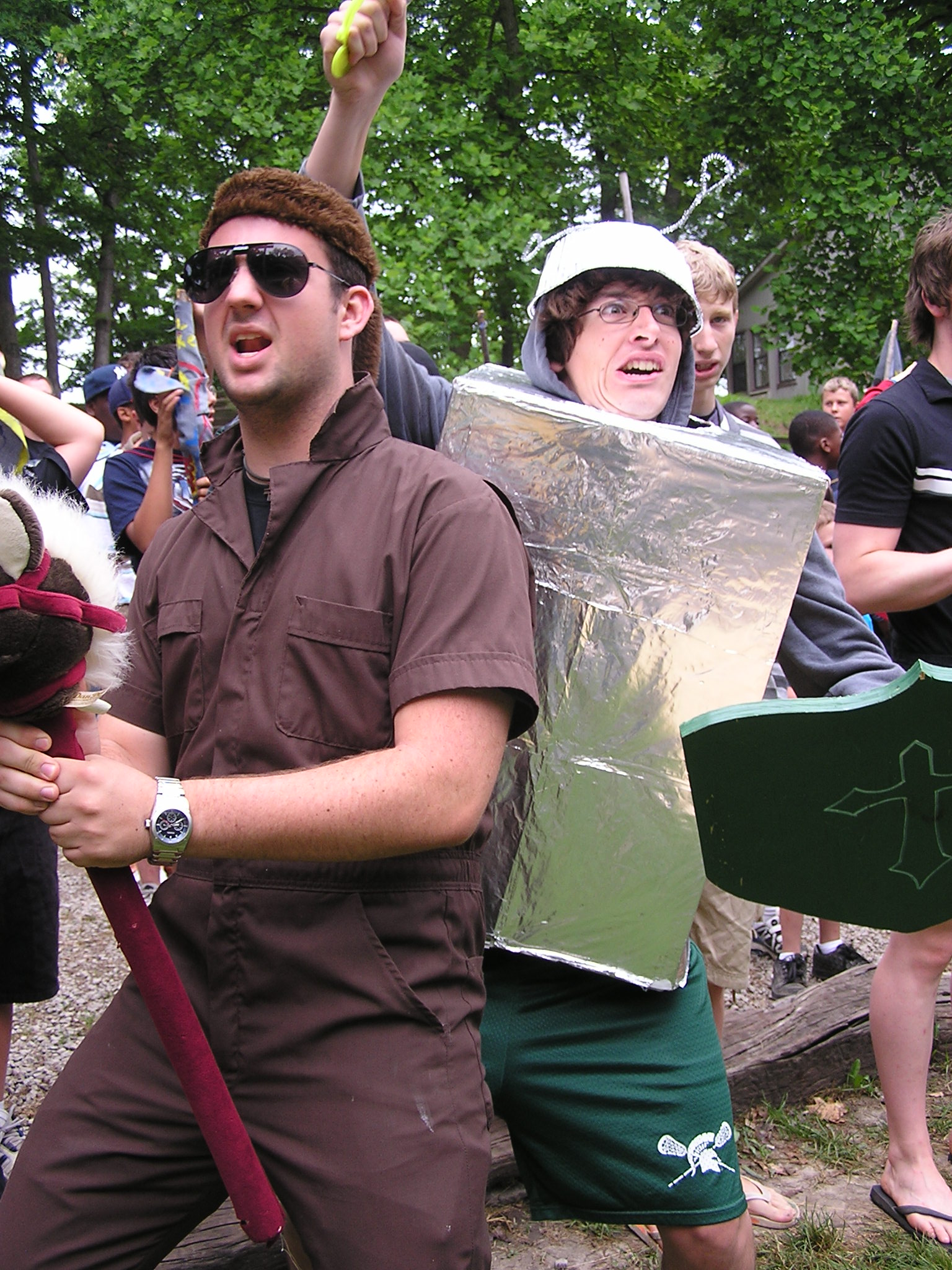
This summer formed several core memories and even though Caleb and I fell out of touch, I still think back to this morning fondly. I'm glad I have such a great picture to remember it by.
I'd had this article starred in my RSS reader to sit down and read carefully. Robert is a math professor I've followed for many years because of his thoughtful approaches to grading and assessment. AI in education is everywhere and I'm constantly battling either seeing students use AI assistants to complete work or in wrestling with the discrepancy between "everything done" and poor performance on assessments.
It is nearly impossible to verify independently whether student work has been created by an AI versus the student, or if it’s a combination, how much is attributable to the student. So it’s only a perception of rampant cheating; the real extent is unknowable unless students tell me.
This is the rub - in chemistry, so much of what we do is based on skill development. These small skills - using the periodic tabe, for instance - prop up skills we develop later in the course. For work done independently (ie, not in the classroom with me around) I have to go on faith that students have done authentic work. Robert's grading standards call this a "good-faith effort." I think that's some language that I'll be adopting.
The point is that if the work shown on something students complete independently isn't good-faith, done as a human being, I am unable to do my job effectively and we're working against each other. I've tried hard to drive that point home with my 10th graders this year.
In the end, Robert ends up minimizing the effects of the homework/independent work grades and reinforcing the importance of being able to do the work on in-class tests. I've come to almost the same conclusion and I think I'm going to press harder into this model next year by reducing the value of independent work in the gradebook that much more. Says Robert:
Since everything is done in person, AI use is not really an issue; students can use AI to complete their homework, but I don’t think many do, because they know eventually they’ll be accountable for doing it “live”.
He also notes that he went hard into a no-tech policy this year in class. I've also started being more assertive with calling out phone use, but since I didn't set a policy at the start of the year, it's pretty tough to change tack now. Next year, I think it's going to be "phones in bags" from day one. I can see clear cognitive improvements when phones aren't around. You can almost map out grades based on student phone use in class. Setting a blanket policy will help build a culture of "let's be here now" that is so important for learning.
He ends with a provocative question:
How do you assess upper-level cognitive skills while mitigating AI risks? ... On the one hand, tasks that get to those levels seem especially vulnerable to being “hacked” by generative AI [...] On the other hand, there should be ways to assess those higher levels with items that are uniquely “hardened” against AI.
Again, this is the rub. I used to use homework to build out base skills to develop critical thinking and application skills in the classroom. Now that generative AI can just do the skill building tasks, students cannot begin to approach the critical thinking work in the room. I need to really spend time thinking about my skill-aligned tasks this summer to try some new strategies in the fall.
Well, I did it. I started working on my fork of Anchor CMS to get it up and running with PHP 8. Honestly, most of the work so far has been updating the build system with new versions of the JS packages used to bundle everything up. I haven't needed to do much with the PHP yet.
Anyways, I can set up a new instance from scratch, create the admin user, and write some posts. I've fixed a few CSS errors and I'm going to start working on updating the Sass files because they have some deprecations since they were first written 10 years ago.
The repo is on Github if you want to take a peek.
I've been thinking about moving back to a small CMS for the blog. Specifically becuase I would like to be able to just log into something and write rather than using my current static site flow.
AnchorCMS is an old blog app I've opined about in the past and I decided to take on another project and work on a fork. The maintainers shut down the original codebase back in 2020 and it's been sitting since.
The plan right now is trim down the installation flow and tailor it for myself - it'll be updated for PHP 8 and use SQLite for a database to keep my server running with low overhead.
I have no idea what I'm in for because I haven't touched PHP in a minute. We'll see how it goes.
In 2023, I tried my hand at watercolor painting and sketching in general. Then, in 2024 I just...stopped. No real reason why other than I didn't make time to continue the habit. I would pick up a pencil here and there, but I didn't commit to making the practice a habit.
Earlier this year, my kids asked me to take a walk out into the woods and do some sketching. I relized that I had set art up as this escape where I had to be alone and couldn't have people around. That's true sometimes - I might want to do something quietly by myself - but it can't be all the time. Keeping it for those alone time moments meant that I just didn't create anything.
So, in an effort to get back on the horse, here is some of my recent arting.
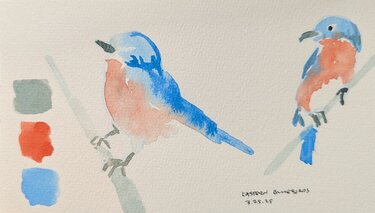
I really like watercolor, so I'm pushing myself to use them more. I sketched two bluebirds from photos on the Internet and then painted. I'm trying to be loose with my brush, but I am very much out of practice. That said, the one on the left came out pretty good.
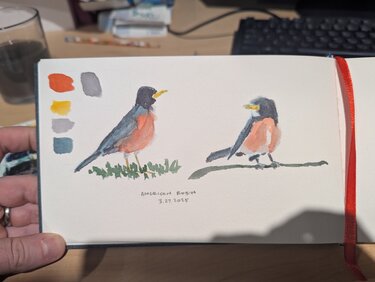
Keeping on the bird theme, I tried a couple of robins. I need to work on controlling the paints as they come off the brush. I think I tend to use too much water, so I'm left trying to mop up the runs, which causes paint to reactivate a slosh around...it's an area to improve on.
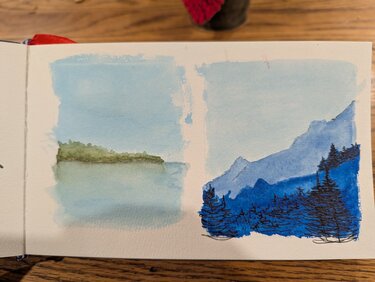
I switched to landscapes for a little bit. Julia Bausenhardt is a German artist who has a wonderful blog on nature sketching and journaling. She wrote a post about sketching all in blues recently that I wanted to give a try. This helped me think about how to mix different values to convey depth.
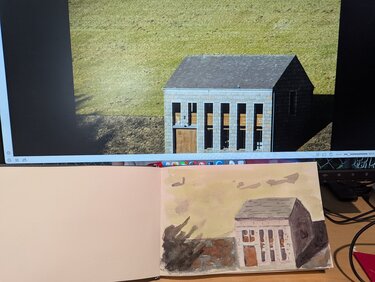
Kristie DeGaris is a Scottish drystone waller, author, and photographer I follow on the socials. She shared some photos back in February which included a striking image of this building on a bright green hillside.
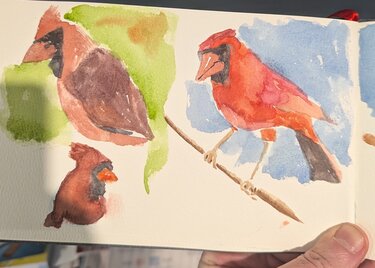
I went back to birds and did some sketches from photos. I should have taken more time to warm up - I tend to dive right into the painting without due preparation. I'm disappointed in how the top left painting came out because I knew as I was painting that I could've done better had I just slowed down.
The top right cardinal was better, but my washes were uneven and I went back to try and fix them which caused the paint to run...oh well. I was happy with the sketches before I began, so that's a win.
I will not be discussing the bottom bird in this post.
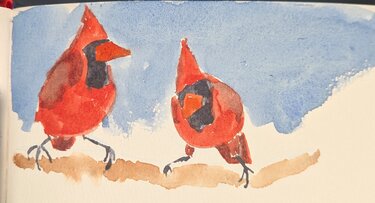
This is probably my favorite so far. The washes are more even, you can tell that they're cardinals, and they even have the right proportions and perspective. It actually looks like one is looking at you, which is progress.
I don't know that I've defined my own style yet. I like Julia's nature sketching and the artistic realism she's able to capture. I also really like Liron Yankonsky's YouTube channel which is much more loose and interpretive rather than illustrative. I've been trying to emulate his approach a little more in my form, but my water and paint control isn't quite there yet, which leads to mixed results.
It really boils down to doing more painting regularly and being willing to just go for it. I do see improvement and I know what I want to work on...I don't feel like I'm floundering. I'm enjoying the process even though I'm scared to paint sometimes. It's kind of like this blog...I'm doing the art for me, not for an audience, so it is what I want it to be.
I only finished two books this month - it was a slow one for reading.
I, Robot - Isaac Asimov
I didn't know that this was a collection of short stories. I think had I known, the experience would've been more enjoyable. I kept trying to piece the various stories into one narrative in my head. They're all related, but not as a single, unifying plot.
I'm not used to reading older science fiction. The dialog felt very 1950's and...more innocent? than I was expecting. I think Dr. Calvin's persona parallels the robots in her approach to problem solving, which was an interesting plot device.
Challenger: A True Story of Heroism and Disaster on the Edge of Space - Adam Higginbotham
This is, without a doubt, one of the best books I've ever read. It is detailed without feeling tenacious and paints clear, relatable portraits of everyone involved in this disaster from the families all the way up to the top officials of NASA. It is an absolute must-read if you remember the accident or grew up hearing about it as a kid watching Space Shuttle launches.
I'm about halfway through another science fiction book that I'll finish this month. I'm trying to decide if I can do another nonfiction or if I need to save that for once school is out.
I keep track of everything on LibraryThing if you want to connect there.
Last week wrecked me. Nothing in particular was bad, but the whole thing just felt bad overall. I 'm finally feeling like I'm back on track with school and life things, but for a few days there, I was just hanging on.
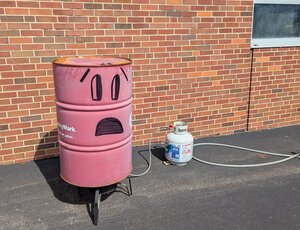
On Monday, we were busy finishing up our unit on gases in Chemistry. We'd been hyping up the culmination - the steel barrel crush - with all of the classes. We got all of our students to come down at the end of the day only to have the demonstration not work. I'm not sure what happened, but it was kind of a big letdown. I had a few ask if I was embarressed, and I'm not, but I'm defnitely disappointed that we couldn't make it happen. It's kind of a lot to set up and coordinate and it was a bummer to start the week off with.
I'd also been struggling to challenge the web development class lately. We'd been in Javascript for several weeks, looking at ways to interact with pages they'd built, but I could tell I was losing a subset of the class. So, I took some time to back off and go back to some CSS work. We focused on grids and students spent a week building out small portfolio starter sites using grids to layout a main menu page and then to build out content pages. This class is really in the grind now and some are realizing that they don't love writing code every day. I'm glad they're sticking it out, but I needed a way to rebuild some interest.
So, I introduced a wide-open choice project. Working alone or in collaboration with others, I gave them the opportunity to design and build whatever they wanted. Luckily, I only had to change one group's direction (but not by much) and the interest and activity level picked up noticeably.
In my infinite wisdom, I also offered to help groups with server needs - if they wanted persistent storage, I would throw up a couple database routes. Two groups took me up on that, so there was a couple hours of working with them on their models and what routes they wanted available. Then, there was a group who really wanted to build a chat app. Me, an idiot who has never worked with websockets, said "sure."
The next 48 hours of my life were consumed with fighting to get a simple websocket server up and running. I started by trying to tack it into a Flask server I already had running and it quickly got into sunk cost territory. I struggled with the routing, I struggled with the application server, and I struggled with nginx. Finally, I gave up on that route, ripped it all out, and got it running as a separate service.
Going down that whole consumed my time and my thought processes. I couldn't focus on other things because I was so mired in getting this one thing to work. I really should have just let it go and asked the group to step back until I could dedicate more time to making it happen, but I chose to try and do everything. It was a bad call.
My work quality in my other classes went down. I was frustrated and tired and it bled over into other secetions. My advanced chemistry class half-did a lab that I'd been trying to put together with meager results and then kind of just floated the rest of the week. I lost out on some chances to push their own thinking becuase I fixated on the other course.
The week took a big toll on me. I left on Friday having everything running and my grades caught up, which was a huge win. I spent time tonight planning out the next two weeks before spring break for regular chemistry so I don't have to think about what's happening there. That will let me do some damage control for the advanced chemistry section and finish up their current unit strong before the break as well.
Time management has always been my weak point in teaching. I get too invested in specific projects and then I struggle to keep the other balls in the air. This year has been better (just like last year was better than the one before) and next year I'll have one fewer class to prepare, so the end is in sight. I love my job and I love my work and I really hope that this last week was the last one I'll have like it for a while.
I read a ton this month. Granted, two of these entries are comics, which is not in my normal rotation, but they were both omnibus collections, so I'm counting them as books.
Resident Alien Omnibus Volumes 1 & 2 - Peter Hogan
I started watching the TV adaptation on Netflix sometime in January and I noticed at the end of one episode that it was based on the comics. I liked the first season of the show, so I decided to check these out. The show and the comic diverge in plot, but the general premise is that an alien crash lands on Earth and has to fit in while he waits for rescue.
The comics were enjoyable and flowed well. Supposedly, there are more coming out, so the third volume may make its way into these lists. The first season of the TV series is better than the second. I have not started the third season yet.
The Feather Thief - Kirk Wallace Johnson
My wife read this and we renewed the library loan so I could read it. I vaguely remembered a This American Life episode about this story and the book goes so much deeper (the TAL episode featured the author, so he knows his stuff).
The general story is that fly fishing lures, over many many years, have been idealized by the materials you use to create them. Bird feathers, in particular, are a main "ingredient" and give the fly certain prestige. Old fly patterns rely on endangered birds. A fly-tying savant from the United States breaks into the British Museum of Natural History and steals hundreds of preserved specimens. The book chronicles the break in and the fallout after.
Tusks of Extinction - Ray Nayler
I found this more enjoyable than The Mountain in the Sea. The premise felt more plausible, so the suspension of disbelief was easier. In short: elephants are extinct, mammoths are back, and a woman's consciousness is used to do the work of restoring the population.
Human nature doesn't change - some people want revenge for past harms, others want the thrill of dominating the natural world. Ultimately, the characters are driven by their own desires and fail to see the destruction that comes as a result of not understanding the other side.
Peter and the Secret of Rundoon - Dave Barry
The third installment in the Peter and the Starcatchers series based on Peter Pan. I've been reading this aloud to my kids before bed. I felt pretty undewhelmed (again). The book was all over the place between characters imperiled in Neverland and in the fictional desert country of Rundoon.
The plot draws a little more out of the story - Peter's connection to the Starcatchers is deeper than originally thought, but there is no exploration of the meaning of that connection. It jumps from one bad situation to the next without explaining any of the significancs of the plot developments over the course of the three books.
There is one more to go and, hopefully, it's got a little more meat to it.
The Mercy of Gods - James S.A. Corey
I loved The Expanse books and I didn't know they hard started a new series. This is set in a new universe (though, there were some details scattered in that hinted back to the protomolecule and others from The Expanse) and focused on a group of humans who are captured by an invading alien species called the Carryx.
The book does not feature large scale space shoot-em-ups like The Expanse novels and instead takes a more slow-burn look at how humans react to captivity. The main cast is a group of scientists who weigh out the benefits of behaving and obeying their new captors or resisting outright. The balance between the two extremes pushes the group to the brink.
Brambleheart - Henry Cole
An easy read aloud for my kids. This was more time dependent because they're participating in a book club, so I read this to my younger kids so they could participate. The main character is trying to find his place in a community with stringent expectations. Help comes, but not in the way anyone was expecting.
All of my reading is tracked on LibraryThing if you want to connect in real time.
